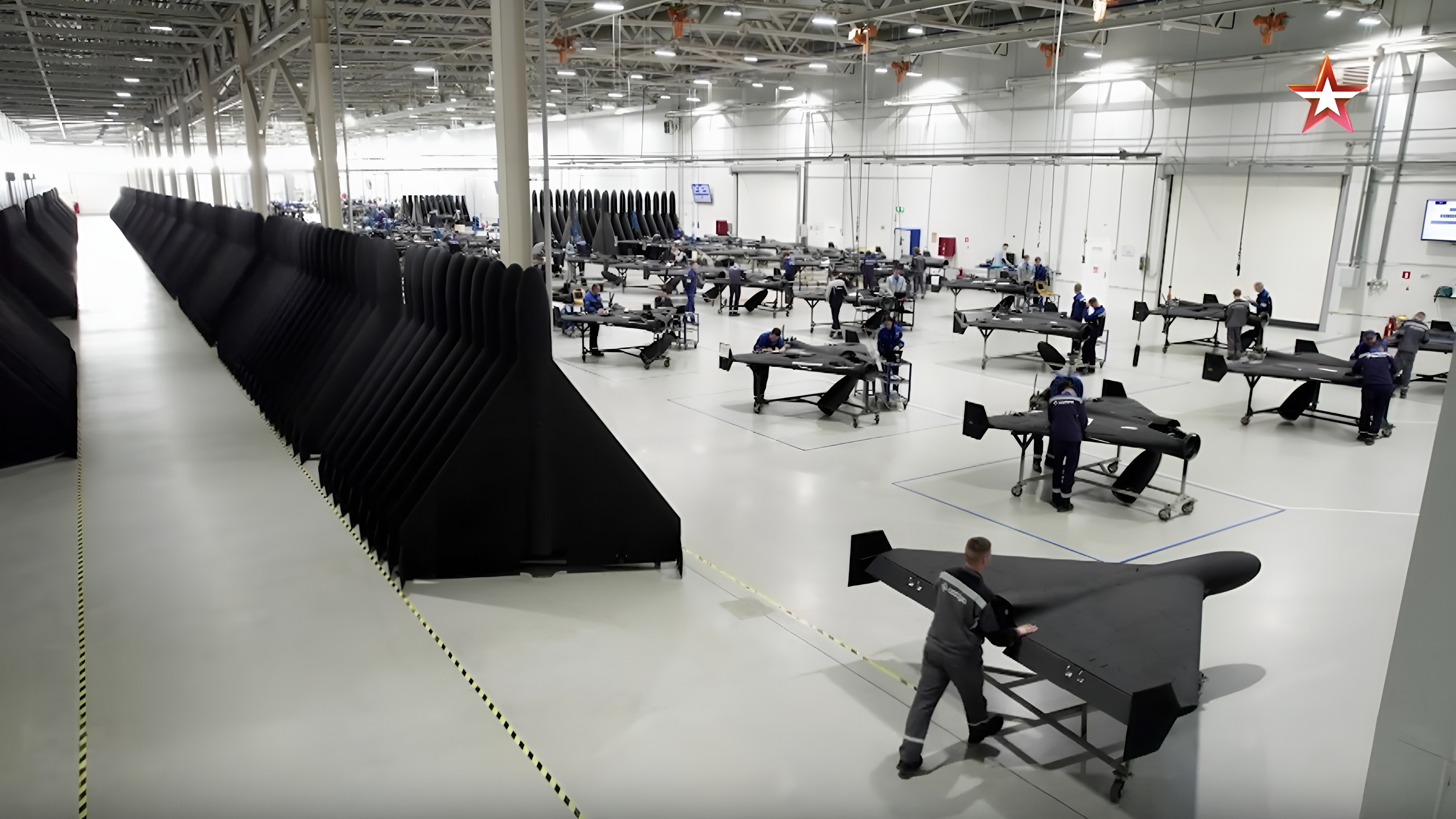
Ghana and DR Congo Sign Alabuga Labor Deals Amid Drone-Factory Scrutiny
Two African governments have signed employment-related agreements with Russia’s Alabuga Special Economic Zone, creating a sharp tension between the deals’ stated civilian purposes and unresolved allegations surrounding the industrial complex’s foreign-worker pipeline. Alabuga is associated with production of Iranian-designed attack drones, but public descriptions of the agreements do not show that Ghana or the Democratic Republic of the Congo intends to supply workers for military manufacturing.
Signed in late October, the Ghanaian agreement is intended to facilitate industrial employment opportunities for the country’s citizens. Ghana’s labor ministry said it would coordinate recruitment, verify job offers and provide orientation before workers depart. The Congolese government signed a five-year memorandum focused on vocational training and strengthening employment institutions.
Those descriptions leave the workers’ eventual employers, factory assignments and safeguards as the critical unresolved details. Alabuga is a broad industrial complex, and employment there does not automatically mean drone work. Yet previous reporting about the Alabuga Start recruitment program gives governments a concrete reason to determine where recruits will work, what materials they may handle and whether the job awaiting them matches the offer made at home.
A recruitment network with several layers
The Ukrainian Security and Cooperation Centre says internal records identify approximately 50 African women working at Alabuga. It also identified 10 Russian recruiters and two African intermediaries allegedly involved in attracting foreign labor. The organization’s investigation relied partly on worker information, employee passes and a confidential source it says remains employed at the complex.
According to the organization, recruitment operates across three levels. Russian cultural and educational organizations develop relationships with young people, local intermediaries promote opportunities abroad, and Alabuga personnel arrange employment and logistics. The investigation cites a September 2024 cooperation memorandum between a Russian compatriots’ council in Tunisia and Alabuga.
The organization named women from Tunisia and Uganda as alleged recruitment coordinators, although their specific activities were not independently verified by Fox News Digital. Its findings also do not establish that Russian diplomats or cultural organizations knowingly directed recruits into attack-drone production.
That layered structure matters from a manufacturing perspective because international labor pipelines can add workers without every participant seeing the final industrial assignment. Cultural organizations may introduce a program, local recruiters may market education or employment, and factory personnel may determine placement only later. The arrangement can therefore support workforce growth while making responsibility for job descriptions and working conditions harder to trace.
Earlier workers described a different job
An Associated Press investigation published in October 2024 reported that some African women recruited with promises of education and civilian employment were assigned to manufacture attack drones. Women interviewed for that investigation described long hours, wages below what they had expected, surveillance and exposure to hazardous chemicals.
Britain escalated its response on May 5, 2026, sanctioning seven individuals and entities associated with Alabuga Start. In its announcement of the measures, the British government alleged that vulnerable foreign recruits were being deceptively drawn into work supporting military-drone facilities. One official designation specifically accused an Alabuga Start recruiter of hiring foreign nationals, usually from economically insecure backgrounds, through deceptive practices.
Alabuga and government representatives contacted in Russia, Ghana, the Democratic Republic of the Congo, Uganda and Tunisia had not provided responses in the underlying coverage. The absence of publicly specified job placements means the new agreements expand Alabuga’s potential access to labor, not a confirmed pool of drone-production workers.
Worker verification is also capacity oversight
For drone manufacturing, labor availability can constrain output alongside components, tooling and factory space. Foreign recruitment may help an industrial complex staff repetitive production, materials handling and other factory functions, even when only part of its workforce touches military products. The available records do not quantify how many Alabuga employees work on drones or whether any recruits covered by the Ghanaian and Congolese agreements will enter those facilities.
The International Labour Organization says fair recruitment depends on transparent, regulated practices and cooperation among countries of origin, destination and transit. In this case, Ghana’s commitments to verify offers and provide pre-departure orientation create an identifiable oversight point. Meaningful verification would require job terms specific enough for a recruit to understand the employer, duties, pay and workplace before traveling, rather than relying on a general promise of industrial employment.
The next consequential disclosure will be the actual placement framework: which Alabuga employers can receive recruits, what work the agreements exclude and how workers can challenge a changed assignment or return home. Until those terms are public, the deals remain civilian labor and training agreements connected to an industrial complex where earlier recruits reported ending up in attack-drone production.
| More aerospace and engineering stories, right in your MSN feed. Follow AMI on MSN |
By Stephen Wallace — Editor for AMI’s aerospace integration and unmanned mobility coverage, focused on drone manufacturing, VTOL systems, autonomous networks, and air-ground mobility links.