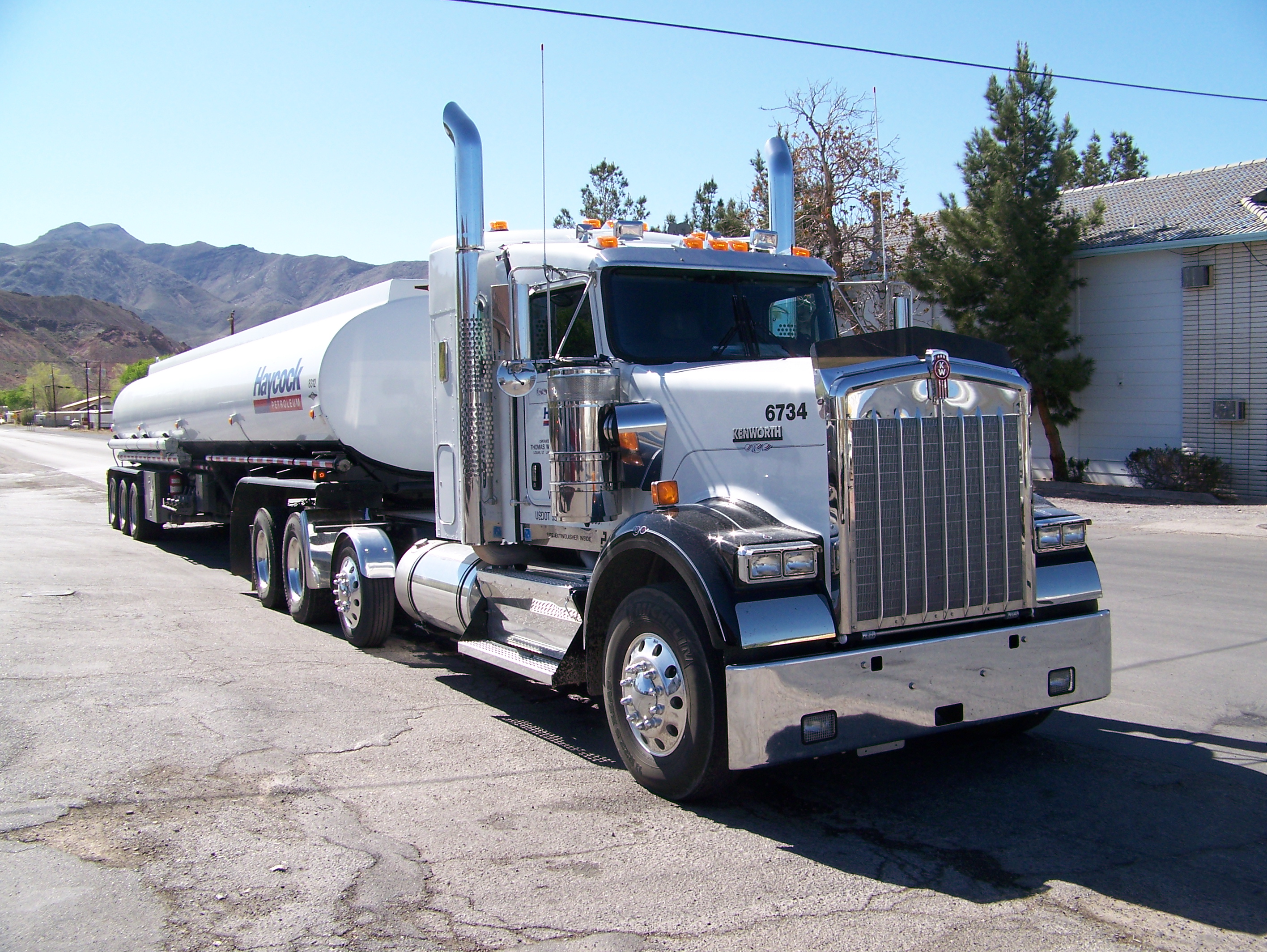
Illinois Deputies Weigh 16-Axle Kenworth at 226,150 Pounds, List $44,210 Fines
A 16-axle Kenworth heavy-haul rig measured 226,150 pounds on an Illinois road limited to 80,000 pounds, according to DeKalb County sheriff’s deputies. The measurement was 146,150 pounds over the road limit, and deputies listed $44,210 in fines for alleged overweight, over-width and over-length violations.

A deputy spotted the flatbed carrying a Konecranes overhead-crane girder at about 10 a.m. on Friday, Nov. 13, after it crossed the new Peace Road bridge over the Kishwaukee River in Sycamore. Deputies said the rig lacked required oversize-load permits and was too wide and too long for Peace Road. They identified the driver as 48-year-old Jacobi Chidester of Nacogdoches, Texas. He is due in court Dec. 29, so the citations and listed fines remain unresolved.
Why a permit covers more than total weight
The nearly three-to-one comparison between the rig’s measured weight and the road limit is the most visible part of the case, but exceptional-load regulation is not based on gross weight alone. Illinois requires authorization when a vehicle or load exceeds legal size or weight limits. The state’s oversize and overweight permitting process reviews factors including bridge tolerances, construction zones and height clearances. Loads using local roads also require permission from the appropriate local authorities.
That route-specific review is essential because a heavy-haul combination cannot be evaluated solely by adding its cargo and vehicle mass. Engineers and permitting officials also consider how the weight is distributed across axles, how far those axles are spaced apart and which structures the planned route crosses. Sixteen axles can spread a load more effectively than a conventional five-axle tractor-trailer, but the axle count by itself does not establish that every bridge or road on a chosen route can accommodate the combination.
The Federal Highway Administration’s bridge-weight guidance explains that axle spacing is as important as axle weight when assessing stress on bridge members. A longer wheelbase can distribute forces differently from a tightly grouped set of axles. Permitting therefore connects a particular vehicle configuration to a particular route rather than treating every road carrying the same posted limit as mechanically interchangeable.
Width and length create separate control problems
Dimensions are regulated independently because a load can remain difficult to manage even if its weight is distributed across many axles. Excess width affects lateral clearance from opposing traffic, barriers and roadside objects. Excess length changes turning paths and the space needed to enter, cross and clear intersections. A long multi-axle trailer also requires coordinated steering and tracking through curves.
Mass adds another layer. The sheriff’s office warned that overweight trucks can dangerously extend stopping distances, compromise steering and stability. It also identified brake fade and tire blowouts among the possible safety effects. Those are general heavy-vehicle risks cited by the agency; deputies reported no crash or bridge damage from this crossing.
For a permitted exceptional load, route selection can be used to avoid unsuitable structures, restrictive geometry, construction areas or inadequate clearances. Authorities can also impose movement conditions appropriate to the approved route. The permit is therefore an engineering-control document as well as a legal authorization: it matches the load’s weight and dimensions to infrastructure that has been reviewed for the move.
Portable scales close an enforcement gap
This stop also demonstrates why portable scales matter on local roads. A 2024 Justice Department grant description said DeKalb County received about $27,000 to place portable scales in deputies’ vehicles after Illinois State Police stopped proactively enforcing overweight violations because of staffing shortages. Instead of relying on a fixed weigh station, deputies could measure the rig at the roadside.
Portable enforcement broadens access to roads where unusually heavy vehicles may travel but permanent weighing facilities would be impractical. The equipment can measure individual axles as well as support a total vehicle-weight calculation, allowing officers to check both overall mass and its distribution. Portable scales must be periodically calibrated and certified when their readings are used for enforcement.
The public-cost issue is especially visible on Peace Road. The bridge was the centerpiece of an approximately $7 million replacement and widening project that began in April 2025 and was scheduled for completion by Oct. 31, 2026. No damage was reported, but permitting and weight enforcement are designed to control infrastructure exposure before damage or a traffic incident occurs, rather than assigning the full risk to other road users and taxpayers afterward.
Investigators said the shipment was traveling from Indiana to Wisconsin for an unnamed Maryland-based trucking company. The Dec. 29 court date will determine what follows from the citations; for now, the confirmed engineering result is the roadside measurement itself: 226,150 pounds on a road with an 80,000-pound limit.
| More aerospace and engineering stories, right in your MSN feed. Follow AMI on MSN |
By Thomas Caldwell — AMI’s senior editor for mechanical and mobility engineering, covering vehicle electronics, systems integration, electrification, chassis systems, propulsion, and safety policy.