United Airlines Restores Departures After 100-Minute Outage Disrupts US Flights
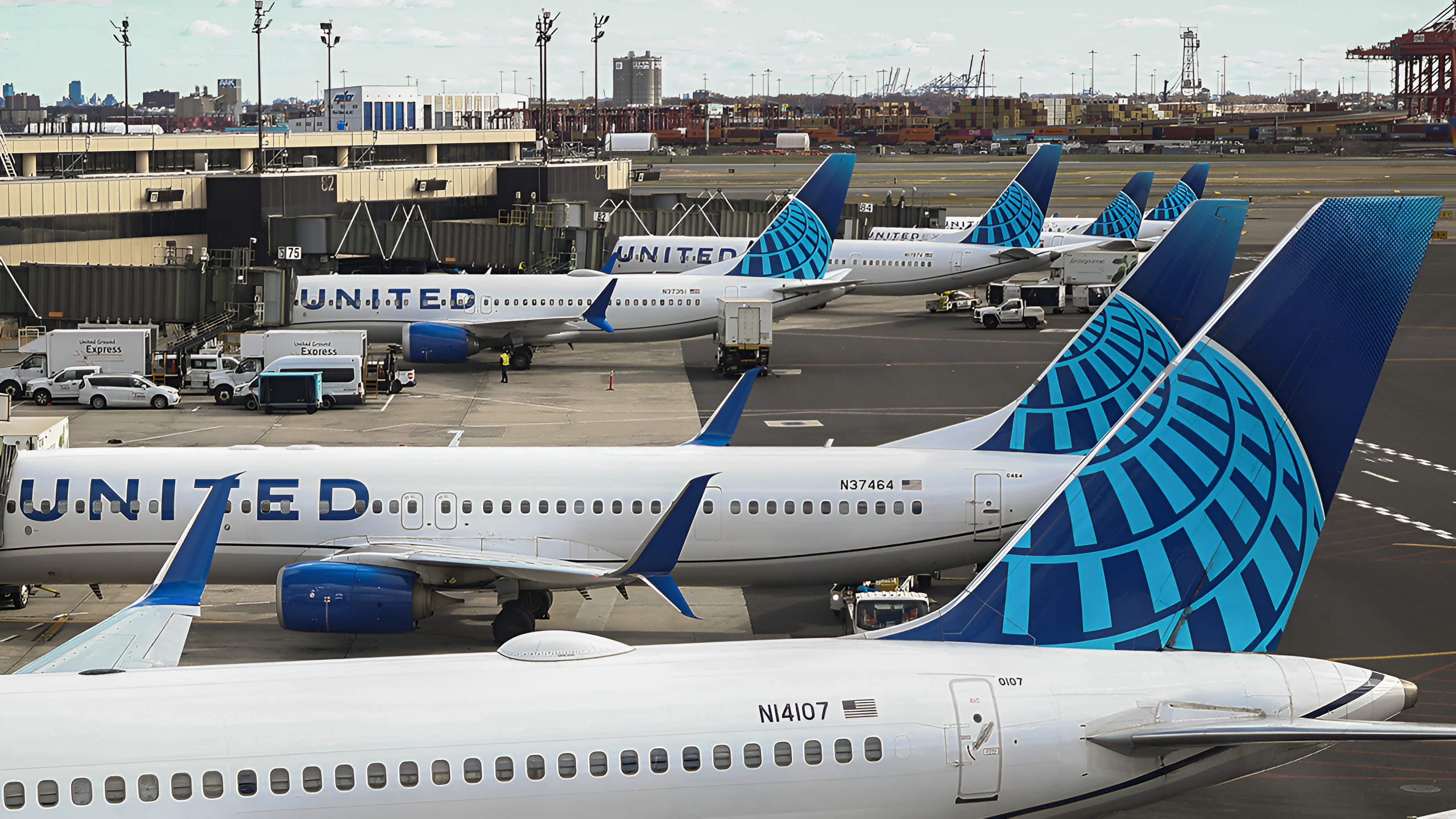
United Airlines restored its departure process on November 16 after a technology outage prevented some aircraft from being dispatched across the United States. The disruption lasted approximately one hour and 40 minutes, according to the Associated Press, but its effects could remain in passenger schedules after the underlying system returned. United confirmed that the issue was resolved and said flights already airborne were unaffected.
The unresolved point is the outage’s precise technical cause. Reports from pilots and aviation media associated the disruption with systems used to provide final aircraft weight information, while an internal alert described by CNN indicated that multiple flight-crew applications were affected. United has not publicly confirmed which application or infrastructure failure initiated the outage.
Final weight and balance information is a required part of preparing an aircraft for departure. Crews need verified loading data to confirm that the aircraft remains within permitted weight and balance limits and to complete the associated departure planning. If the required information cannot be generated or delivered, an aircraft may be physically ready at the gate yet unable to be dispatched.
That operational boundary helps explain why the failure affected departing flights without interrupting aircraft already in the air. Once a flight is underway, the predeparture dispatch step has been completed. United Express services were also unaffected, according to the airline, narrowing the incident to parts of United’s own operational network rather than every flight carrying its branding.
About 600 delays, but no confirmed outage total
FlightAware recorded approximately 600 United delays by Monday evening. That figure describes the airline’s overall delay count, not a confirmed total caused by the technology failure. United did not publicly assign all of those delays to the outage, and other routine operational factors can contribute to an airline’s daily performance.
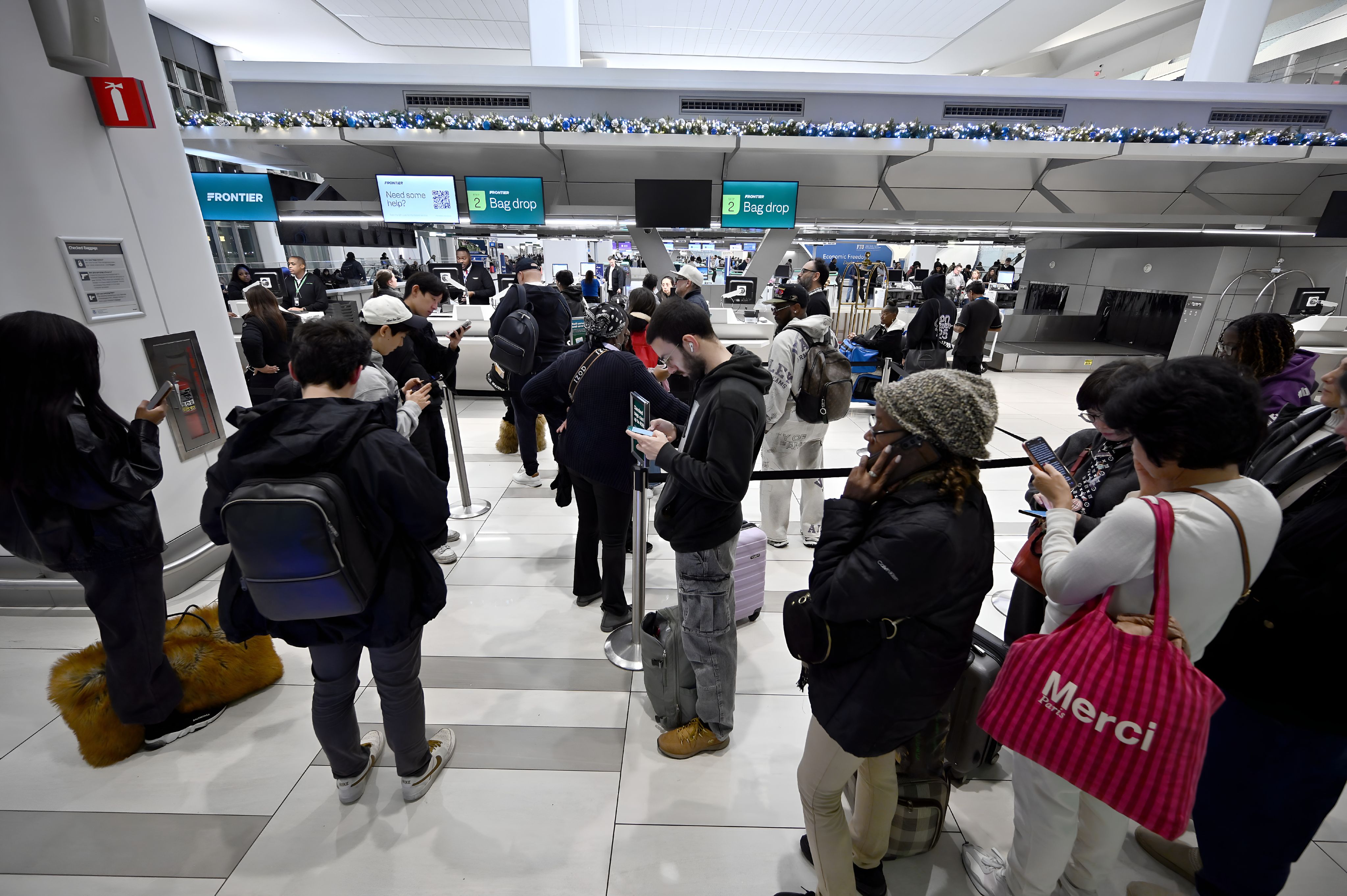
The outage nevertheless created the conditions for delays to propagate. Airline schedules depend on aircraft and crews completing a sequence of flights. An aircraft held before one departure can arrive late for its next assignment, while a delayed crew may also fall behind its planned schedule. Passengers connecting through another airport can therefore miss onward flights even when the technology is functioning again.
This is why restoring an application or data service does not instantly restore the timetable. The technical recovery removes the immediate dispatch constraint, but the airline must still move aircraft and crews through a schedule that has already lost time. The passenger-facing consequence can outlast the initiating failure, particularly for itineraries with connections.
No indication of a cyberattack
United said there was no indication that the incident was related to a cybersecurity attack. The airline also has not publicly confirmed a root cause, leaving open whether the interruption began in an application, a supporting service or another part of the departure-technology chain.
The outage followed a separate Federal Aviation Administration network malfunction that disrupted US flight operations on November 13. No established evidence connects the two events. United’s problem was associated with its own departure operations, and the FAA said during the incident that it was not an FAA equipment issue.
For affected passengers, current departure information remains available through United’s website and mobile application. Travelers who miss connections can contact the airline about rebooking, while eligibility for refunds, compensation or other assistance depends on the individual itinerary and applicable passenger rights.
The most consequential engineering fact is the mismatch between the duration of the failure and the duration of its impact. A roughly 100-minute interruption in a predeparture process can leave aircraft, crews and connecting passengers out of position for considerably longer. United restored the technology; recovering the schedule required the rest of the network to catch up.
| More aerospace and engineering stories, right in your MSN feed. Follow AMI on MSN |
By Thomas Caldwell — AMI’s senior editor for mechanical and mobility engineering, covering vehicle electronics, systems integration, electrification, chassis systems, propulsion, and safety policy.