British Airways A321neo Hits Tail Twice, Prompting Inspection and UK Investigation
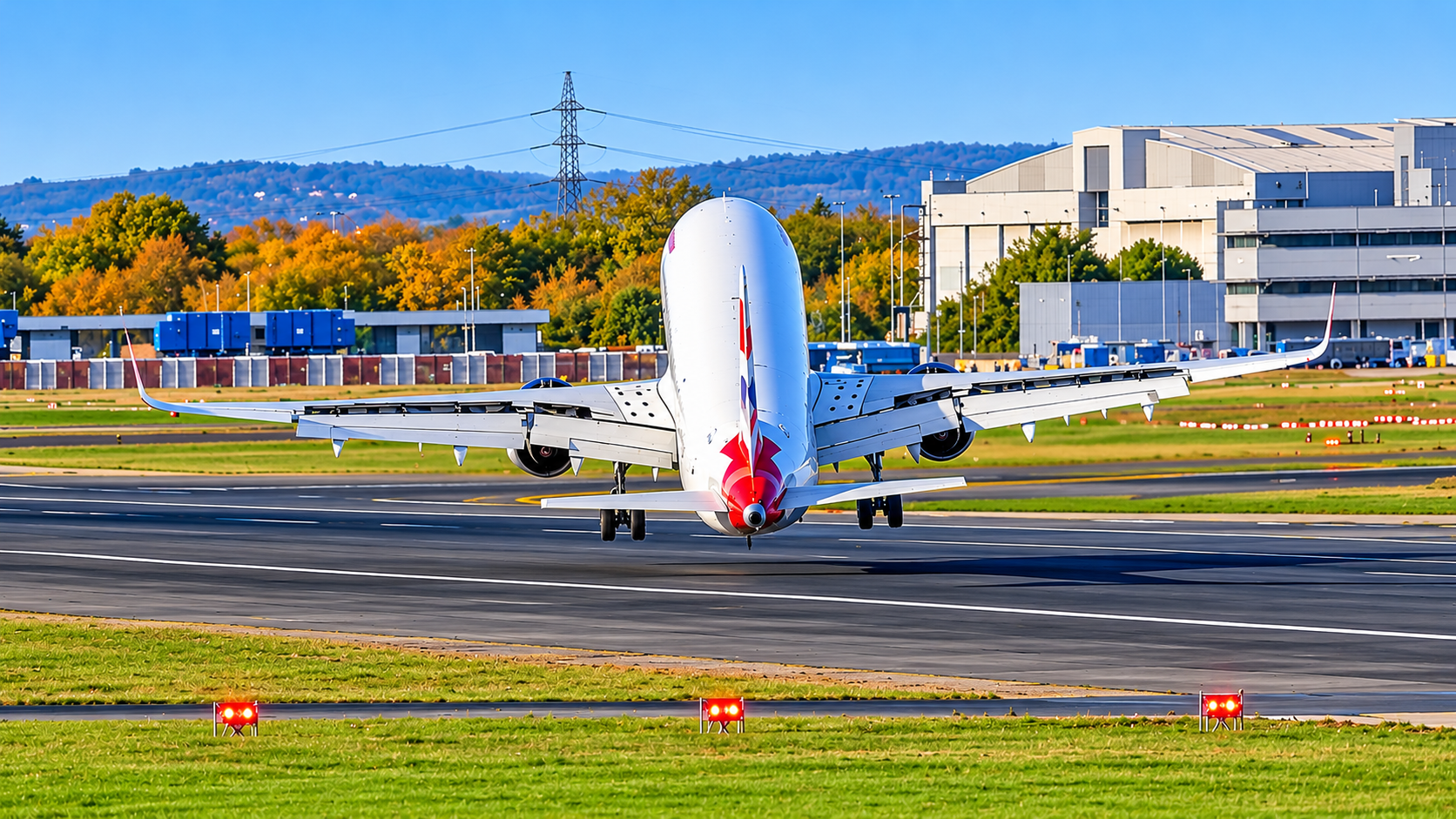
A British Airways Airbus A321neo struck its tail against the runway twice while attempting to land at London Heathrow on November 12, 2026. The crew discontinued that landing, became airborne again and landed safely on the second attempt. Passengers deplaned normally, but aircraft G-TNEB was removed from service for maintenance inspections and the UK Air Accidents Investigation Branch opened an investigation.
The immediate passenger outcome was reassuring; the unresolved airworthiness question is why the two contacts occurred and whether they damaged the aircraft. British Airways said: “The aircraft landed safely, and we’re assisting the AAIB with its investigation and are legally unable to comment further at this stage.” No cause or inspection finding has yet been established.
The aircraft was returning from Amsterdam Schiphol and had further flights planned that day. Those subsequent sectors were abandoned after the incident. British Airways initially scheduled a tentative return to service for November 14, but that timing was dependent on the extent of any damage found.
Why a safe landing still requires an inspection
A tailstrike occurs when the lower aft fuselage contacts the runway during takeoff or landing. The contact can range from superficial abrasion to damage involving the skin and supporting structure, so the ability to taxi normally and unload passengers does not answer the maintenance question. An aircraft can complete the immediate landing sequence safely and still require detailed assessment before another commercial flight.
The two contacts make the inspection especially important because maintenance personnel must determine what loads reached the airframe and whether any affected structure needs repair. The current information does not establish that G-TNEB suffered structural damage, much less damage comparable with other aircraft that have required lengthy repairs.
Removing the A321neo from service also contains the operational uncertainty. It prevents further passenger flights until British Airways can assess the aircraft, while creating a scheduling consequence for the airline: the remaining sectors assigned to that airframe had to be dropped or covered by other capacity.
The A321’s geometry leaves a smaller margin
The A321 is the longest member of the main A320-family lineup, and its stretched fuselage reduces the pitch margin available before the tail reaches the runway. Airbus material included in a US National Transportation Safety Board docket shows that an A321’s tail-contact threshold can fall below 10 degrees of pitch when its main landing gear is fully compressed. That figure describes aircraft geometry, not what happened at Heathrow.
Airbus had also planned to add information about managing A321 approach and flare conditions to flight-crew manuals. According to FlightGlobal’s account of the guidance revision, the material addresses how flare height varies with environmental conditions, aircraft weight and speed. The update followed several separate A321 tailstrike events, but no link has been established between those occurrences and the British Airways incident.
General Airbus training material identifies multiple conditions that investigators may examine in a landing tailstrike inquiry, including approach stability, descent rate, airspeed, pitch changes during the flare, aircraft inertia and the response to a bounced landing. Weather can also be relevant in some cases. These are investigative categories rather than findings about G-TNEB; apparently calm conditions alone cannot establish or eliminate a cause.
Why the go-around was the key safety response
A go-around is a normal safety maneuver used when completing a landing is no longer the preferred course. After the runway contacts, the crew returned the aircraft to flight rather than continuing that first landing attempt, then repositioned for a second approach and landed safely.
Investigators can now examine the aircraft, available flight data, crew actions and the progression of the first landing attempt. The inquiry will need to establish the aircraft’s pitch and vertical motion around each contact, when the go-around began and what operational or environmental factors contributed. It will also provide the context needed to distinguish two visible runway contacts from the loads actually recorded by the airframe.
Until those findings and the maintenance assessment are available, the confirmed boundary is narrow but consequential: the passengers arrived safely, while a two-year-old A321neo remained subject to inspection after two tail contacts disrupted its planned schedule. Its service status ultimately depends on what engineers find in the aft fuselage not on the fact that the second landing ended normally.
| More aerospace and engineering stories, right in your MSN feed. Follow AMI on MSN |
By Thomas Caldwell — AMI’s senior editor for mechanical and mobility engineering, covering vehicle electronics, systems integration, electrification, chassis systems, propulsion, and safety policy.