FAA Helicopter-Tour Oversight Audit Follows 58 Accidents, 11 Fatal
Federal auditors are examining the Federal Aviation Administration’s safety oversight of helicopter sightseeing tours after at least 58 tourist-helicopter accidents nationwide since 2008, including 11 fatal accidents. The Department of Transportation Office of Inspector General audit will focus on whether the FAA’s regulatory framework and oversight adequately cover these passenger flights.
The review also targets a less visible issue: how a flight is classified. The audit notice says some operators may conduct sightseeing activity under an “aerial photography” classification and follow standards applicable to private recreational pilots rather than the more demanding framework generally associated with commercial air tours. Auditors have not yet found violations or assigned fault; their objective is to determine how well the FAA understands and oversees existing operations.
Why classification is central to the audit
A helicopter’s purpose is more than a marketing description. It can determine which operating rules apply, what oversight an operator receives and how the flight is treated within the federal safety system. A passenger may experience a photography flight and a conventional sightseeing tour in much the same way paying to view landmarks from a helicopter but the regulatory paths can differ.
That creates a systems-integration problem for oversight. A joint FAA-industry rulemaking committee concluded that major operational and procedural requirements for commercial air tours are distributed across multiple rules, with provisions that can overlap or conflict. FAA Flight Standards District Offices around the country are responsible for overseeing commercial helicopter tours, so a fragmented framework also raises questions about whether similar operations are identified and handled consistently across regions.
The audit therefore needs to establish more than whether individual operators complied with the rules assigned to them. It must examine whether the FAA has a reliable picture of which businesses are effectively providing tours, what classifications they use and whether exemptions or alternative categories leave comparable passenger operations under materially different oversight.
The National Transportation Safety Board raised this classification issue after its investigation of a fatal 2018 doors-off flight in New York. In 2019, the board urged the FAA to close the aerial-photography exception for certain sightseeing flights and recommended one national set of safety standards for air-tour operations. That earlier recommendation gives auditors a specific benchmark: how the FAA responded and whether the same regulatory boundary remains significant.
Accidents supply the public-safety context
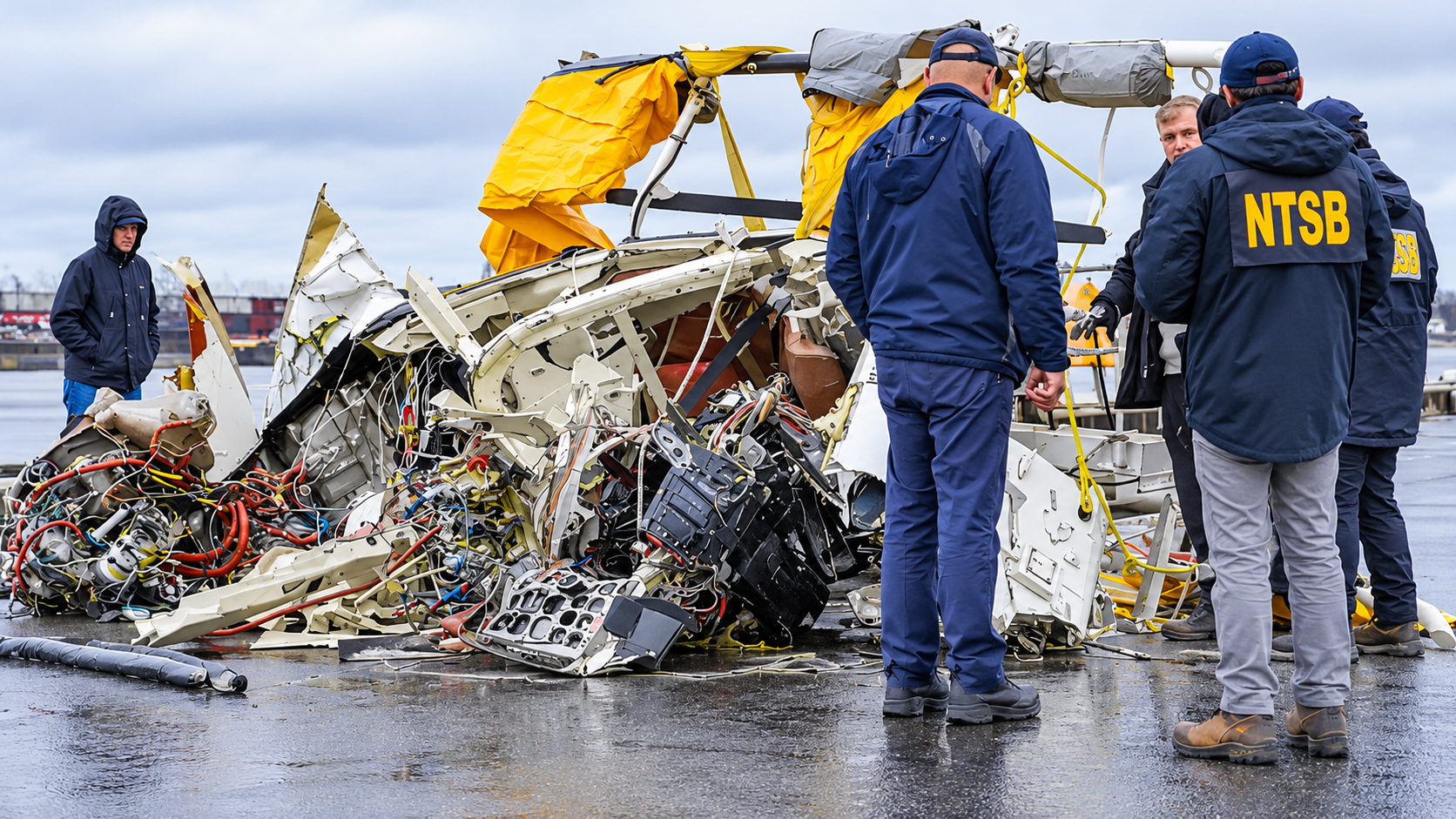
The inspector general cited the April 10, 2025, Hudson River crash that killed all six people aboard. The NTSB’s preliminary information identifies the Bell 206L-4 operation as a flight conducted under federal Part 91 rules. The accident investigation remains separate from the broader oversight audit, which is evaluating the FAA’s system rather than determining the crash’s probable cause.
More recent attention followed an emergency landing by another Bell 206L-4 at the Port Jersey Marine Terminal in Bayonne. Bayonne Fire Chief Frank Pawlowski described a mechanical malfunction involving tail-rotor damage. The pilot and copilot were the only occupants, and neither was injured. The FAA and NTSB were investigating, with no NTSB preliminary report available at the time of publication. The incident adds scrutiny but does not establish a connection between that malfunction and the regulatory-classification issue.
For passengers, the unresolved concern is transparency as well as compliance. Customers may not know whether a flight advertised as a helicopter photo experience is overseen under the same framework as another commercial sightseeing trip. For pilots and operators, inconsistent classification can complicate training, procedures and the expectations applied by local FAA offices. Communities beneath heavily traveled routes also depend on regulators having an accurate view of how many tour-like flights are operating and under which authority.
The FAA said, “We welcome feedback and will cooperate fully with the audit.” Proposed state and federal restrictions and litigation over operations at the Kearny heliport remain separate, unresolved proceedings; they are not findings of the inspector general.
The audit’s most consequential result will be whether it can map similar passenger flights to consistent safety expectations. Until that work is complete, the central gap remains one of regulatory visibility: the FAA oversees commercial air tours nationwide, but federal auditors are still determining whether it can reliably identify every tour conducted under another name.
| More aerospace and engineering stories, right in your MSN feed. Follow AMI on MSN |
By Thomas Caldwell — AMI’s senior editor for mechanical and mobility engineering, covering vehicle electronics, systems integration, electrification, chassis systems, propulsion, and safety policy.