Russia Claims 1,441 Ukrainian Drone Interceptions; Moscow Restricts Four Airports
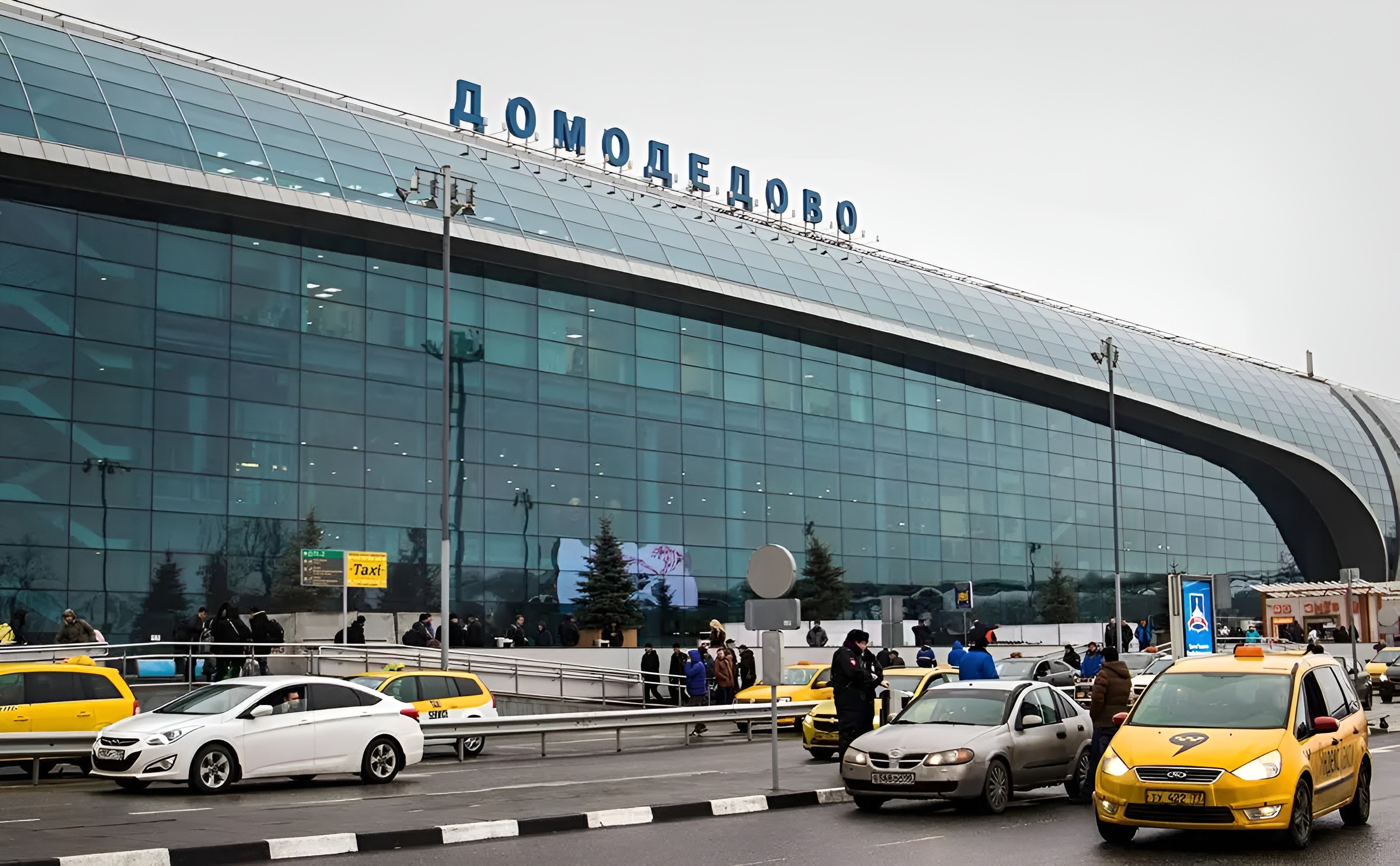
Russia claimed that its air defenses intercepted 1,441 Ukrainian drones overnight on November 17, while aviation authorities temporarily restricted flights at all four major airports serving Moscow. The interception total has not been independently verified, but the restrictions at Vnukovo, Domodedovo, Zhukovsky, and Sheremetyevo provide a concrete measure of the pressure placed on the capital’s civilian airspace.
Russian media described the overnight event as the country’s largest drone attack since the full-scale invasion of Ukraine began in February 2022. Moscow Mayor Sergei Sobyanin said approximately 800 drones were detected heading toward the Moscow region between 5 p.m. on November 16 and 7 a.m. on November 17. Russia’s Federal Air Transport Agency, Rosaviatsiya, imposed the temporary airport restrictions during that reported activity.
The scale of the official count is striking, but it should be read as a Russian government claim rather than a verified measure of drones launched, detected, engaged, or destroyed. No independent confirmation of the 1,441 interceptions was provided, and the available information does not establish how the total was compiled across the many regions listed by the Russian Defense Ministry.
Four restricted airports show the civilian consequence
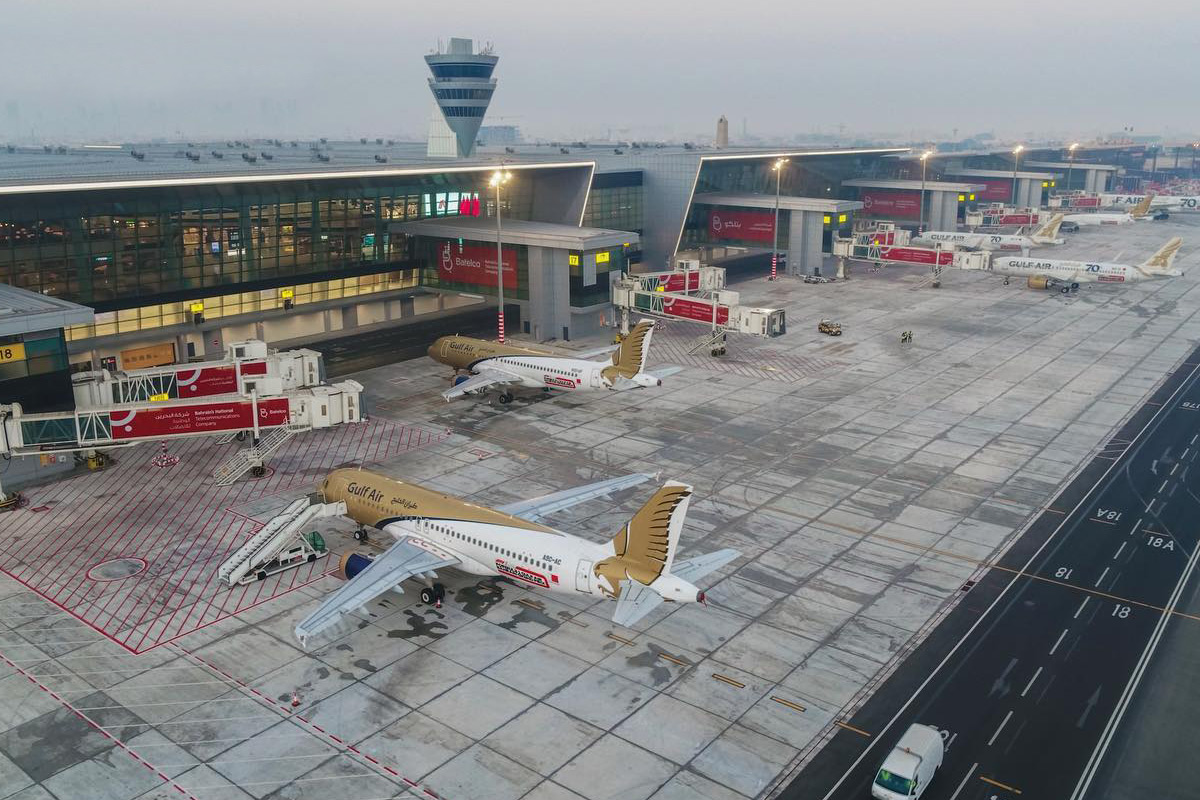
The Moscow restrictions are operationally significant because they extended across the capital’s complete four-airport network rather than affecting a single field. Even temporary limits can force air traffic managers, airport operators, and airlines to hold, delay, divert, or reorganize flights, although no specific delay or diversion totals were provided for this event.
Restricting airport operations is a risk-control measure, not a confirmation that an airport itself was struck or that every reported drone approached a runway. Civil aviation authorities must manage uncertainty around airborne hazards while keeping passenger aircraft separated from military activity and emergency responses. When the location, duration, or trajectory of a threat is uncertain, the usable airspace can contract before its full scope is known.
This is a recognized civil-aviation problem. The European Union Aviation Safety Agency has published guidance for managing drone incidents at airports, noting that such events can disrupt traffic, inconvenience passengers, impose costs on operators, and create potential safety threats. Moscow’s situation occurred in the much more demanding setting of an active conflict and reported air-defense operations.
Mass alerts pressure more than interception capacity
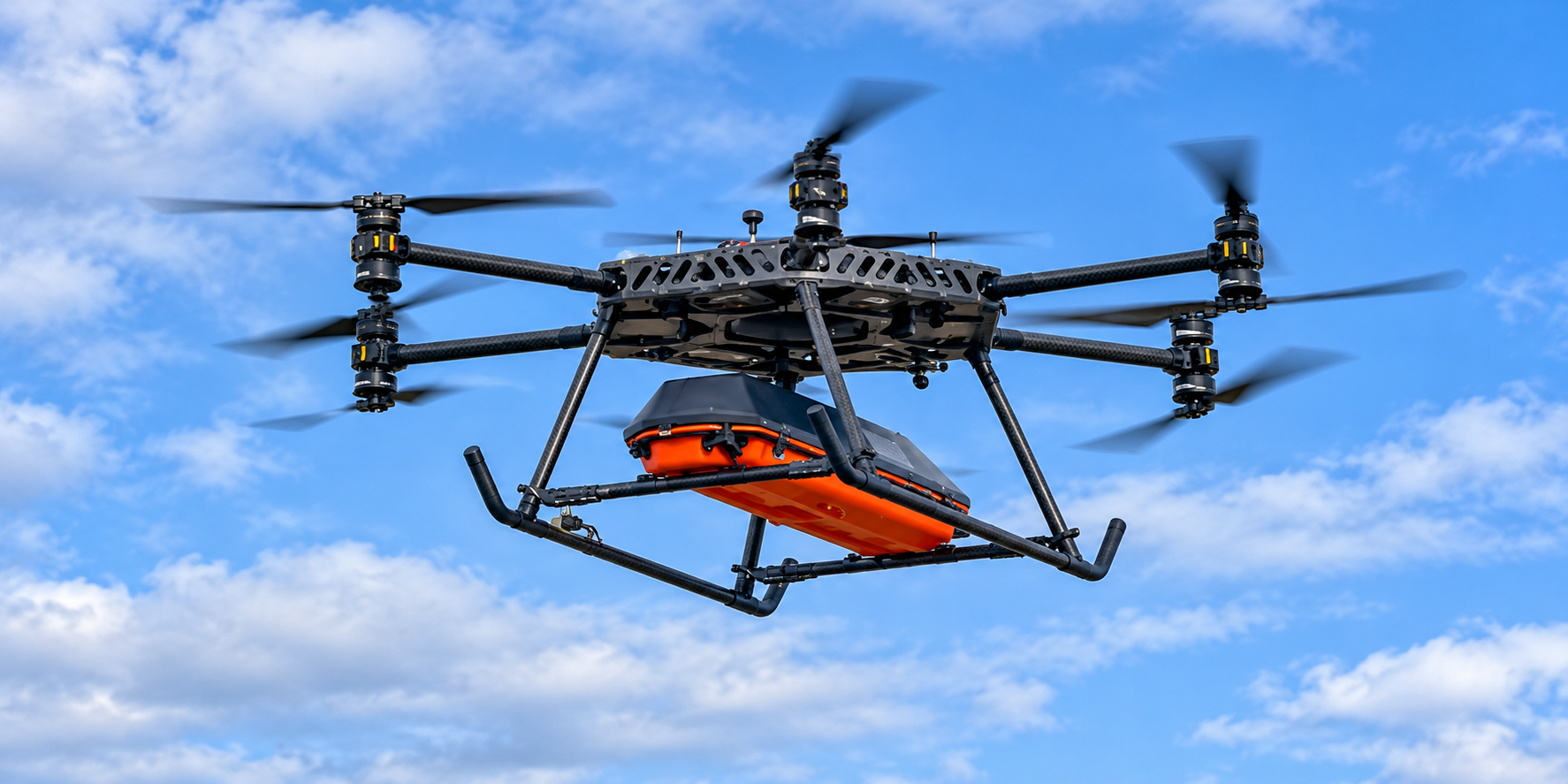
A high-volume drone alert creates simultaneous demands on detection, identification, command coordination, air-defense readiness, and civilian airspace management. The airport restrictions demonstrate that the operational burden is not captured by an interception number alone. Authorities also have to decide when civilian traffic can continue, which portions of airspace remain usable, and when normal operations can safely resume.
That coordination becomes more difficult when reports span a wide geographic area. Russia said the interceptions occurred across dozens of regions, as well as over Russian-occupied Crimea and the Black Sea and Sea of Azov. The broad reporting footprint implies a distributed monitoring and response burden if the official account is accurate, but the lack of independent verification prevents the numbers from serving as a reliable measure of air-defense effectiveness.
The International Civil Aviation Organization says governments, aircraft operators, and air-navigation service providers must share current risk information when military conflict threatens civil aviation. Its conflict-zone guidance also notes that airlines commonly conduct their own risk assessments when planning routes. That layered decision-making helps explain why an alert can affect flights even when authorities report successful interceptions.
Two consecutive records remain official claims
The November 17 figure followed another exceptional Russian account. One day earlier, the Defense Ministry claimed 2,049 drone interceptions over 24 hours, including 1,336 during the overnight portion, along with four Flamingo cruise missiles and seven guided aerial bombs. Russia had previously reported a single-night record of 1,214 drone interceptions on October 29.
By Russia’s own figures, the 1,441 total would mark a second consecutive overnight record. If accurate, that sequence points to drone activity at a scale capable of repeatedly consuming surveillance, command, and response capacity. It may also indicate substantial launch volume, but the claims alone cannot establish production rates, launch success, or the number of aircraft that reached Russian airspace.
The most firmly documented public consequence is therefore not the claimed interception record. It is the temporary restriction of Vnukovo, Domodedovo, Zhukovsky, and Sheremetyevo together a reminder that mass-drone alerts can constrain an entire metropolitan airport system even when air defenses report stopping the incoming aircraft.
| More aerospace and engineering stories, right in your MSN feed. Follow AMI on MSN |
By Stephen Wallace — Editor for AMI’s aerospace integration and unmanned mobility coverage, focused on drone manufacturing, VTOL systems, autonomous networks, and air-ground mobility links.