ULA Says Fuel-Supply Shortfall Left Vulcan Unable to Reach Orbit
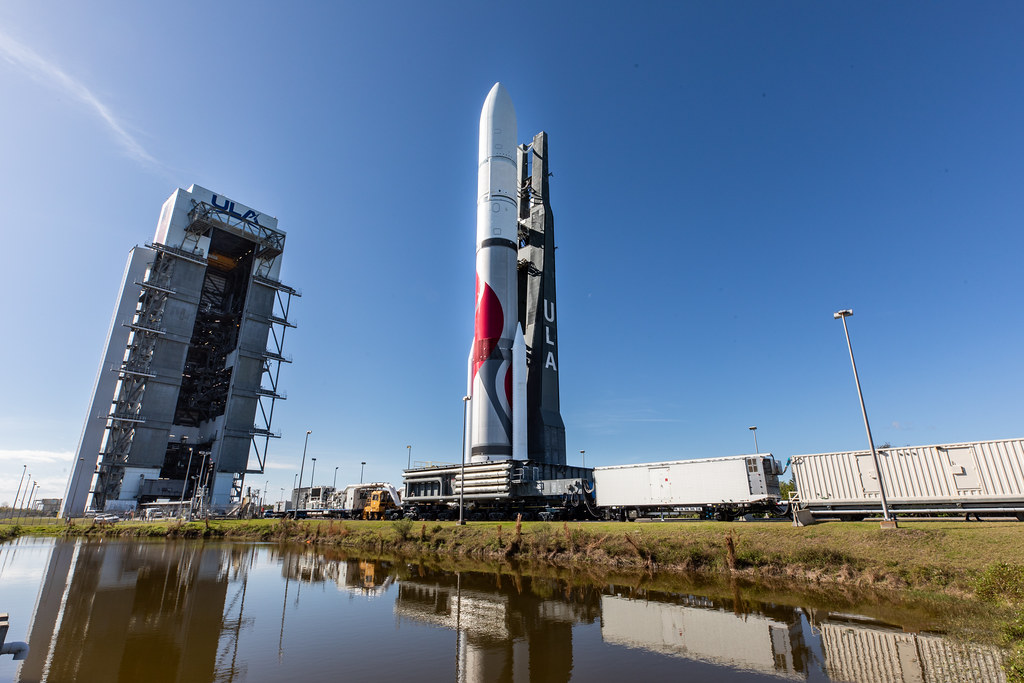
United Launch Alliance says inadequate fuel supply from its Vulcan rocket reduced thrust to the vehicle’s two main engines, leaving the returning rocket without enough performance to reach orbit. The company’s initial integrated review, released Wednesday, points away from poor performance inside the Blue Origin-built BE-4 engines but investigators have not established why the vehicle failed to supply enough fuel.

Vulcan began losing booster performance shortly after liftoff Sunday, Nov. 15, during a mission carrying 40 Amazon Leo satellites. The first stage consequently separated while the rocket was too low and moving below the minimum velocity needed to reach orbit. ULA said it appeared to lose telemetry and the mission approximately 10 minutes into flight.
The failure investigation is now centered on a crucial propulsion distinction: An engine can produce inadequate thrust without suffering an internal defect. Vulcan’s core stage must store, route and deliver cryogenic propellants to both BE-4 engines at the required conditions. A shortfall in that vehicle-side supply can constrain engine output even if the engines’ internal machinery is operating as designed.
ULA has not identified the failed component or explained what interrupted the supply. Earlier preliminary information indicated that investigators were examining the systems feeding methane and liquid oxygen to the engines. Engineers have also studied whether one BE-4 began producing reduced thrust shortly after liftoff and remained below full throttle for the rest of the first-stage burn.
Other major propulsion elements reportedly worked
The available flight data has narrowed the investigation by clearing some major systems provisionally. ULA said Vulcan’s six solid rocket boosters performed nominally after nozzle improvements were incorporated for this mission. Those boosters had been a major focus before launch because nozzle anomalies occurred on two earlier Vulcan flights, although both of those missions still reached orbit.
ULA also said the Centaur V upper stage started nominally and its two RL10 engines operated as planned. The upper stage could not recover from the first stage’s performance loss because it began its portion of the mission in what ULA described as an insufficient energy state. Upper stages carry tightly budgeted propellant for their planned burns; they do not necessarily have the margin to erase a large velocity deficit inherited from the booster.
That sequence makes the investigation less about whether Centaur ignited and more about why Vulcan’s core delivered it too low and too slow. The first stage’s job is to build the velocity and altitude from which the upper stage can complete orbital insertion. Once that handoff occurred outside the planned conditions, nominal upper-stage operation was not enough to save the mission.
Why the engine boundary matters
Two BE-4 engines power Vulcan’s core stage. Blue Origin’s New Glenn booster uses seven engines from the same family, although its version is slightly more powerful. A confirmed internal BE-4 defect could therefore require scrutiny across two major launch programs. A Vulcan-specific feed-system failure would place the corrective work primarily on ULA’s vehicle hardware, interfaces and operating procedures instead.
The preliminary finding is favorable to the engine side of that boundary, but it does not close the investigation. ULA and Blue Origin are working together, and the Federal Aviation Administration will oversee the ULA-led process, participate throughout it and approve the final report and corrective actions. No return to flight date has been announced.
The investigation also follows a May ground-test failure involving New Glenn that was later attributed to a main oxygen valve on one BE-4 engine. That event does not establish a connection to Vulcan’s flight. It does, however, raise the importance of determining precisely where the latest failure sits: within an engine, at the engine-vehicle interface or elsewhere in Vulcan’s propellant-delivery hardware.
For now, ULA has moved the investigation one boundary upstream. The BE-4 engines received inadequate fuel from the rocket, according to the initial review; the unresolved task is finding what restricted that supply and proving a corrective action before Vulcan can fly again.
| More aerospace and engineering stories, right in your MSN feed. Follow AMI on MSN |
By David Whitaker — Associate editor for AMI’s aerospace and drone systems desk, translating flight systems, aircraft programs, spaceflight, and UAV developments into accessible technical stories.