Toyota Recalls 314,029 Vehicles Over Air Bag Rupture Risk
314,029 Toyota and Lexus vehicles in the United States are being recalled because their front passenger air bag inflators could rupture during deployment and propel metal fragments into the cabin. The affected population covers the 2002 through 2017 model years, according to the National Highway Traffic Safety Administration.
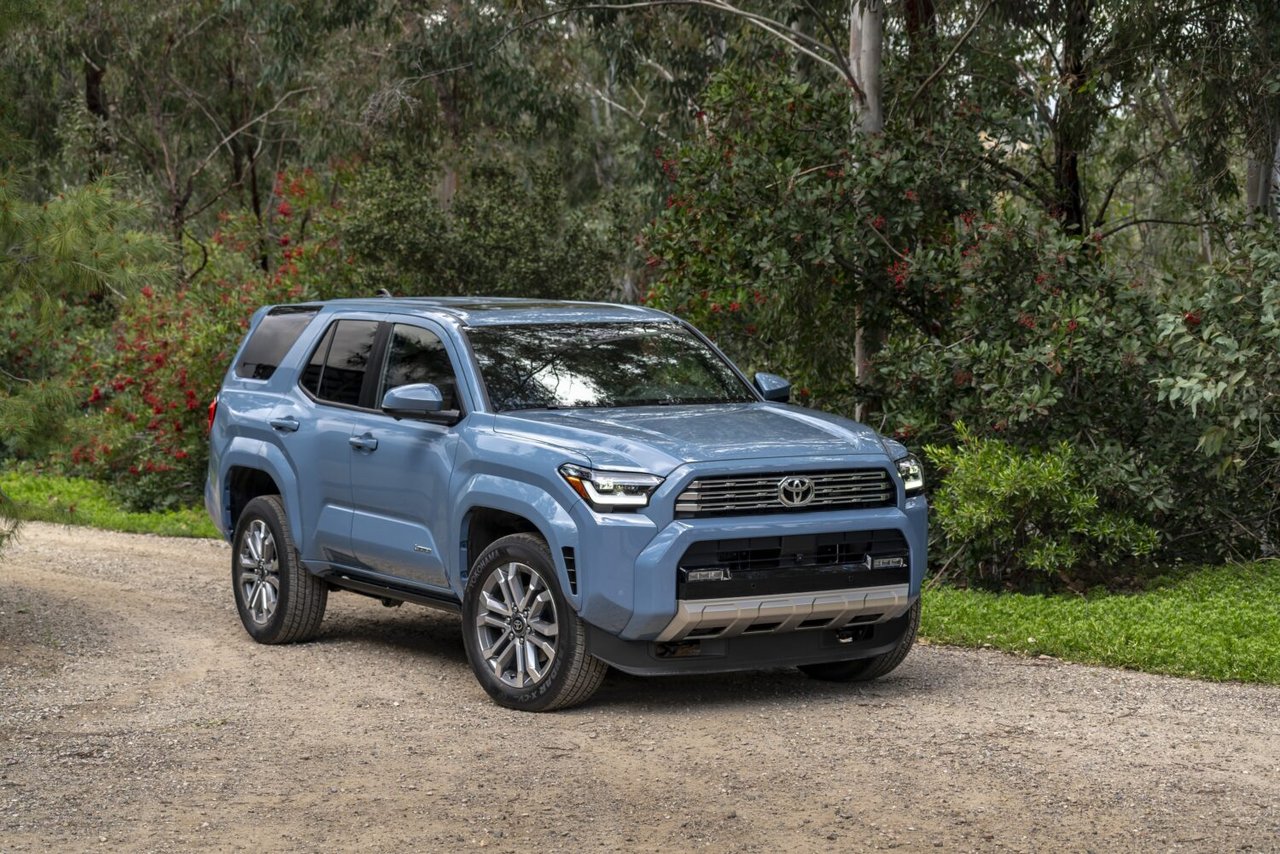
The recall includes the Toyota Corolla, Tundra, Sequoia and 4Runner, as well as the Lexus SC430, IS250 and GX460. The available information does not break down the recalled population by model or identify every affected model year within that overall 2002-2017 span, so a nameplate and age match alone cannot confirm that a particular vehicle is included.
Why an inflator can become riskier with age
The issue is degradation of the propellant inside certain Takata inflators after prolonged exposure to high humidity, high temperatures and repeated temperature cycling. Toyota said the inflators are approaching the end of their estimated safe service life.
An air bag inflator must generate gas quickly enough to fill the cushion during a crash while containing the pressure produced by that process. NHTSA explains that degraded propellant can burn too quickly and generate excessive pressure. In an extreme case, the inflator housing can rupture, turning metal from the assembly into fragments that travel toward vehicle occupants.
This is an age and environment problem rather than a warning that the passenger air bag will rupture every time it deploys. Toyota has received no reports of ruptures involving the inflators in this specific recalled population, according to the NHTSA recall report. The campaign is precautionary: it removes components that have reached the point where accumulated heat, moisture and thermal cycling create an unacceptable future risk.
The absence of reported failures is therefore consistent with the engineering basis for the recall. Safety components are often replaced before a known field failure occurs when aging data indicate that their operating margin is declining. Waiting for the first rupture would mean allowing a component designed to protect an occupant to remain in service after its estimated safe-life boundary has been approached.
Dealers will replace the affected hardware
Toyota and Lexus dealers will replace either the front passenger air bag inflator or the complete air bag assembly, depending on the vehicle model. Owners will not be charged for the recall repair. Replacing the complete assembly on some vehicles reflects differences in how the inflator is packaged and serviced; the remedy is not identical across all seven nameplates.
No owner-notification schedule was provided. Owners who want to determine whether a specific vehicle has an open campaign can use NHTSA’s recall lookup guidance, which directs users to search by license plate number or vehicle identification number. That vehicle-specific check is more reliable than using the model list alone, particularly for nameplates produced across many years.
Getting older vehicles into dealerships may be the difficult part. NHTSA says a new recall involving a 15-year-old vehicle has an average completion rate of 18%, compared with 68% for a three-year-old vehicle. Older cars and trucks change owners, move away from dealership service networks and may have outdated registration or manufacturer contact records. Those conditions can prevent a recall notice from reaching the current owner even when the repair is free.
The Toyota and Lexus vehicles covered here extend back to the 2002 model year, making accurate ownership records and direct vehicle checks especially important. NHTSA’s broader Takata recall information advises owners to check for open recalls at least twice a year and keep their registration address current.
For these 314,029 vehicles, the confirmed remedy is physical replacement of aging passenger-side air bag hardware not a software update or inspection alone. Depending on the model, the dealer must remove and replace the inflator or the entire air bag assembly before the environmental aging mechanism can be taken out of service.
| More aerospace and engineering stories, right in your MSN feed. Follow AMI on MSN |
By Robert McKinney — Editor-in-Chief for AMI’s automotive and mobility coverage, with a mechanical engineering background and a decade reporting on powertrain systems, EV innovation, and global vehicle manufacturing.