Loughborough UAV Secures Four Awards at UAS Challenge
The Institution of Mechanical Engineers’ Unmanned Aerial System Challenge 2023 brought together over 25 teams from the UK and abroad, including entrants from Saudi Arabia, Portugal, and Bangladesh. Hosted at BMFA Buckminster, the competition has grown since its 2014 launch into a prominent fixture for aspiring engineers, designed to foster professional skills and inspire future innovators.

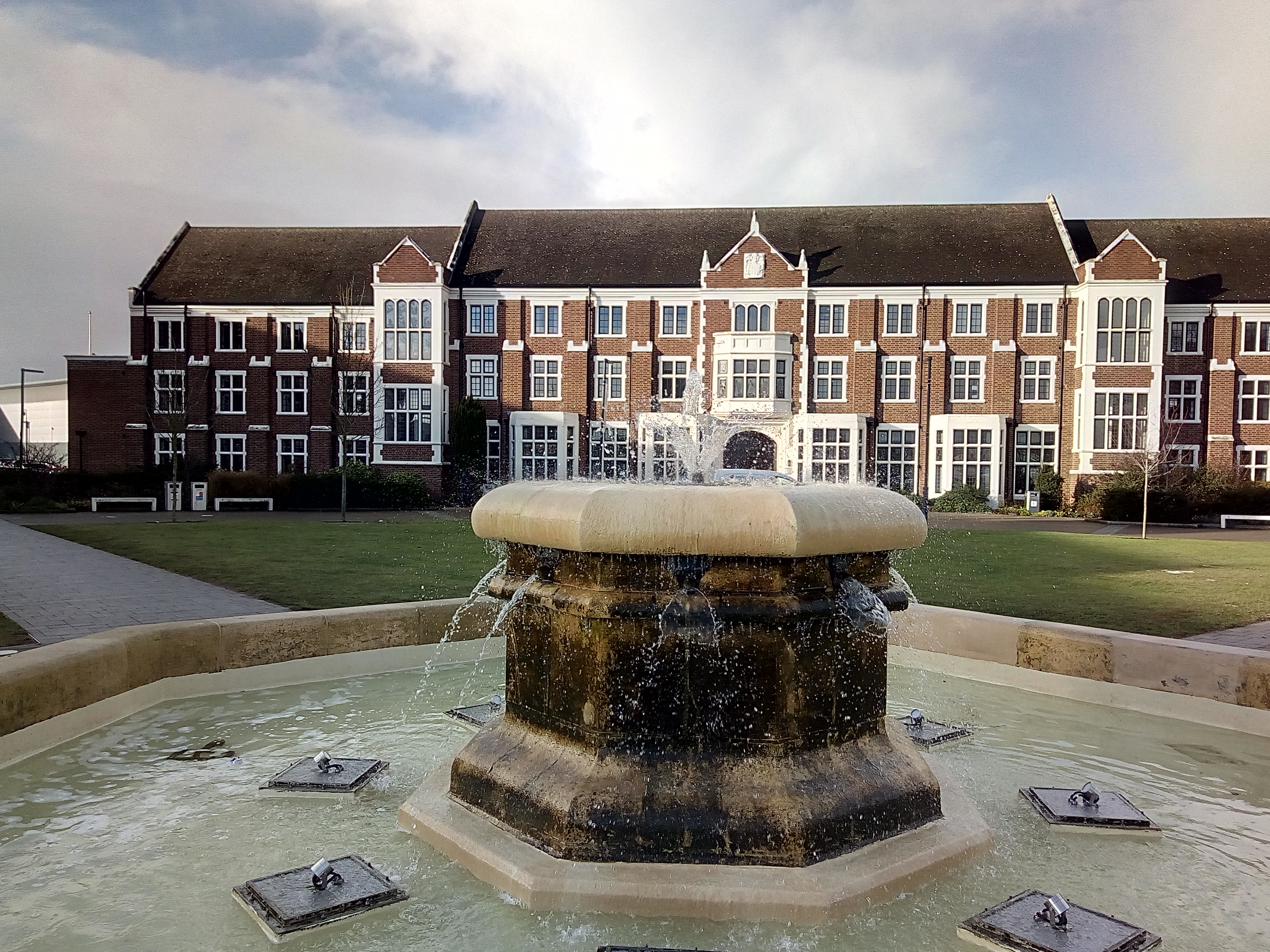
Loughborough University’s Unmanned Aerial Vehicle team achieved a notable third place overall, while also claiming four of the nine available awards. Their accolades spanned Environment, Safety, Airworthiness, and, for the third consecutive year, Design. In addition, they secured runner-up positions in Scrutineering and X-Plane Model, the latter recognizing performance in a flight simulation environment used to evaluate UAV capabilities.
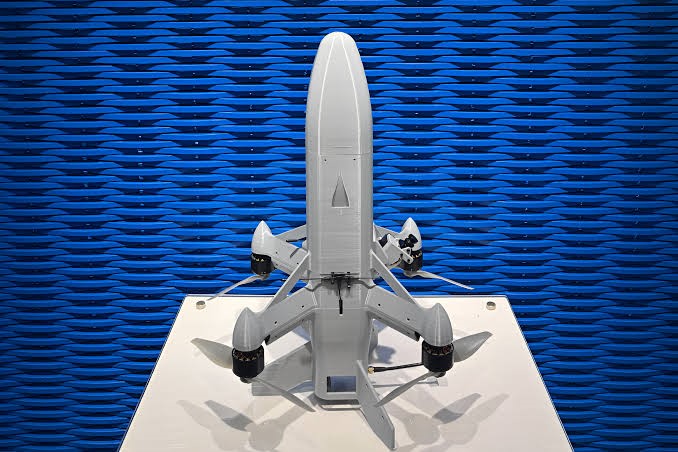
Beyond the awards, the team made a mark in the competition’s history by becoming the first to successfully execute a vertical take-off and landing transition during the event. This VTOL capability represents a significant technical achievement, requiring precise control algorithms, robust propulsion integration, and careful aerodynamic balancing to manage the transition between hover and forward flight.
Each October, the Loughborough UAV team embarks on a full design-build cycle for an unmanned aerial system with a maximum take-off mass of 10 kilograms. The system must meet mission objectives that include autonomous operation, waypoint navigation, area search, precision delivery of an aid package, and return to base along a defined route. These requirements test a broad range of engineering disciplines, from avionics and control systems to structural design and materials engineering.
In the words of Ilyas, Chief Media and Communications Officer for the team and a Part C Aeronautical Engineering student: “This year has been incredibly successful for us, and we are very proud of our team. All our members get to apply their theoretical knowledge to practice, they get real hands-on engineering experience as well by using the facilities provided by the University and industry partners. The skills and experiences gained from the competition are really valued by industry companies and really help our students in finding placement and graduate jobs.”
The Environment award recognized efforts to minimize ecological impact, which in UAV design can encompass noise reduction, energy efficiency, and careful selection of materials. Safety considerations extended from operational procedures to fail-safe mechanisms in hardware and software, ensuring reliable behavior under fault conditions. Airworthiness, a core metric in aerospace, evaluated structural integrity, flight stability, and compliance with engineering standards.
The Design award, earned for the third year running, highlighted the team’s consistent excellence in integrating form and function. Achieving such recognition over multiple years suggests a mature design methodology, likely involving iterative prototyping, computational fluid dynamics analysis, and rigorous testing protocols.
Runner-up status in Scrutineering indicated strong performance in pre-flight inspections, where teams must demonstrate compliance with competition rules and technical readiness. Success in the X-Plane Model category reflected skill in virtual testing, a critical step in modern UAV development that allows engineers to refine control laws and assess aerodynamic behavior before physical trials.
The VTOL milestone underscored the team’s capacity for innovation. Transitioning between vertical and horizontal flight demands precise thrust vectoring and aerodynamic control, often requiring custom firmware and careful tuning of motor response. This capability can expand operational flexibility, enabling UAVs to operate in confined spaces while still achieving efficient forward flight over longer distances.
The UAS Challenge’s format, with its emphasis on autonomous mission execution, mirrors real-world applications in search and rescue, environmental monitoring, and logistics. For participants, the event serves as a bridge between academic study and industry practice, reinforcing skills that are directly transferable to professional aerospace and robotics projects.