FAA Proposes Boeing 787 Cowl Changes Over Two-Engine Shutdown Risk
An engine does not have to be the one that fails internally to be placed at risk. On certain Boeing 787 Dreamliners, debris released by an uncontained failure of the left engine could cross the aircraft and reach components on the right engine. The FAA’s concern is that the right engine’s existing fan-cowl protection may not adequately shield several oil lines from that debris.

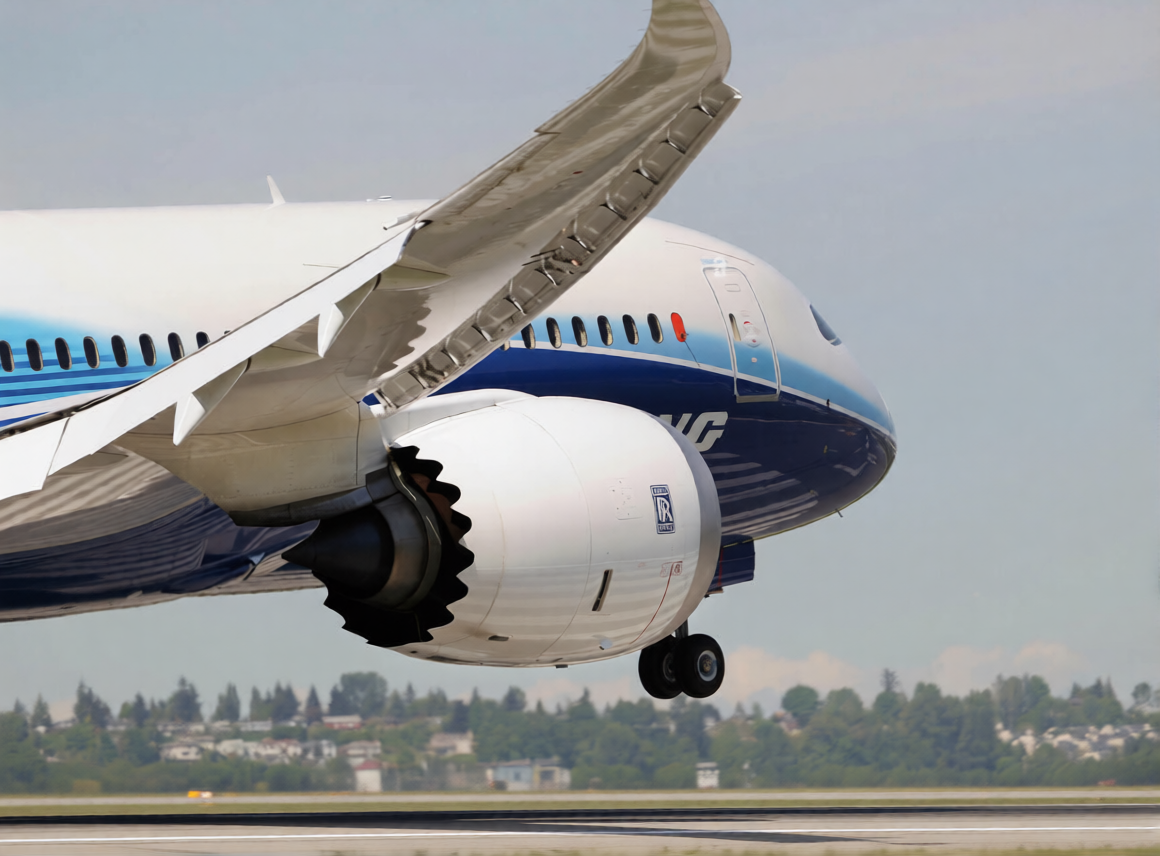
That potential path underlies an FAA proposal announced August 18 to require inspections and fan-cowl changes on selected Boeing 787-8, 787-9 and 787-10 aircraft powered by Rolls-Royce Trent 1000 engines. Damage to the right engine could potentially shut it down after the left engine had already failed, creating the risk of an in-flight dual-engine shutdown. This is a preventive certification issue, not the result of an accident or an in-service 787 incident.
Why the fan cowl matters
The fan cowl is part of the nacelle surrounding the engine. In this case, the specific component at issue is the left fan cowl on the aircraft’s right engine the side facing toward the fuselage and the opposite powerplant.
Boeing determined that the protection in this area does not sufficiently cover multiple oil lines against debris that could be released during an uncontained rotor failure in the left engine. An uncontained failure means engine material escapes the engine casing rather than remaining fully contained. Certification assessments must account for the possibility that such high-energy debris could affect other aircraft systems.
The concern is therefore not simply whether the failed engine can be shut down and isolated. It is whether the aircraft retains an independent operating engine after the initiating failure. Physical separation and shielding are fundamental defenses against a common event disabling redundant systems. Here, the proposed cowl change is intended to restore that protection by adding metal shielding around the exposed area.
The scenario remains theoretical for the 787 fleet: Boeing has said it is not linked to an in-service incident and that affected aircraft can continue normal operations. The regulatory action addresses whether the design provides the required protection under a severe failure condition, rather than responding to evidence that two engines have shut down this way.
How operators would identify affected aircraft
The proposal applies only to certain Trent 1000-powered Dreamliners, not every 787. Operators would first review maintenance records or physically inspect the right engine’s left fan cowl to determine whether one of three affected part numbers is installed.
If an affected cowl is found, the operator would have to modify or replace it. The rule would also prohibit installing one of the affected cowls on an aircraft that does not already have it. That installation ban matters because it prevents removed or spare parts with the same configuration from returning the issue to the fleet after compliant aircraft have been addressed.
Boeing reported the certification concern to the FAA and issued a Special Attention Requirements Bulletin on February 19, 2026, describing the identification and corrective work. Boeing recommended replacing the affected parts within four years and is developing reinforced panels. If the FAA adopts its proposal, the bulletin’s applicable instructions and compliance period would become mandatory for affected U.S. operators rather than remaining manufacturer guidance.
Limited U.S. fleet, unknown modification cost
The FAA estimates that 22 U.S.-registered aircraft would be covered. The initial records review or physical inspection is expected to require three work hours and cost $255 per aircraft, producing a fleet estimate of $5,610.
Those figures cover only the first identification step. Neither the FAA proposal nor Boeing’s bulletin provides an estimated cost for modifying or replacing an affected fan cowl, so the total operator expense cannot yet be calculated from the available figures.
The proposal itself does not impose a final requirement. The FAA is accepting public comments through September 21 before deciding whether to issue a final airworthiness directive. Until then, the central certification question remains narrowly defined but consequential: whether one engine’s containment failure can reach across the aircraft and compromise the independent engine intended to keep the 787 flying.
By Thomas Caldwell — AMI’s senior editor for mechanical and mobility engineering, covering vehicle electronics, systems integration, electrification, chassis systems, propulsion, and safety policy.