U.S. Has Under 830 Patriot and 280 THAAD Missiles, Rebuild Takes Years
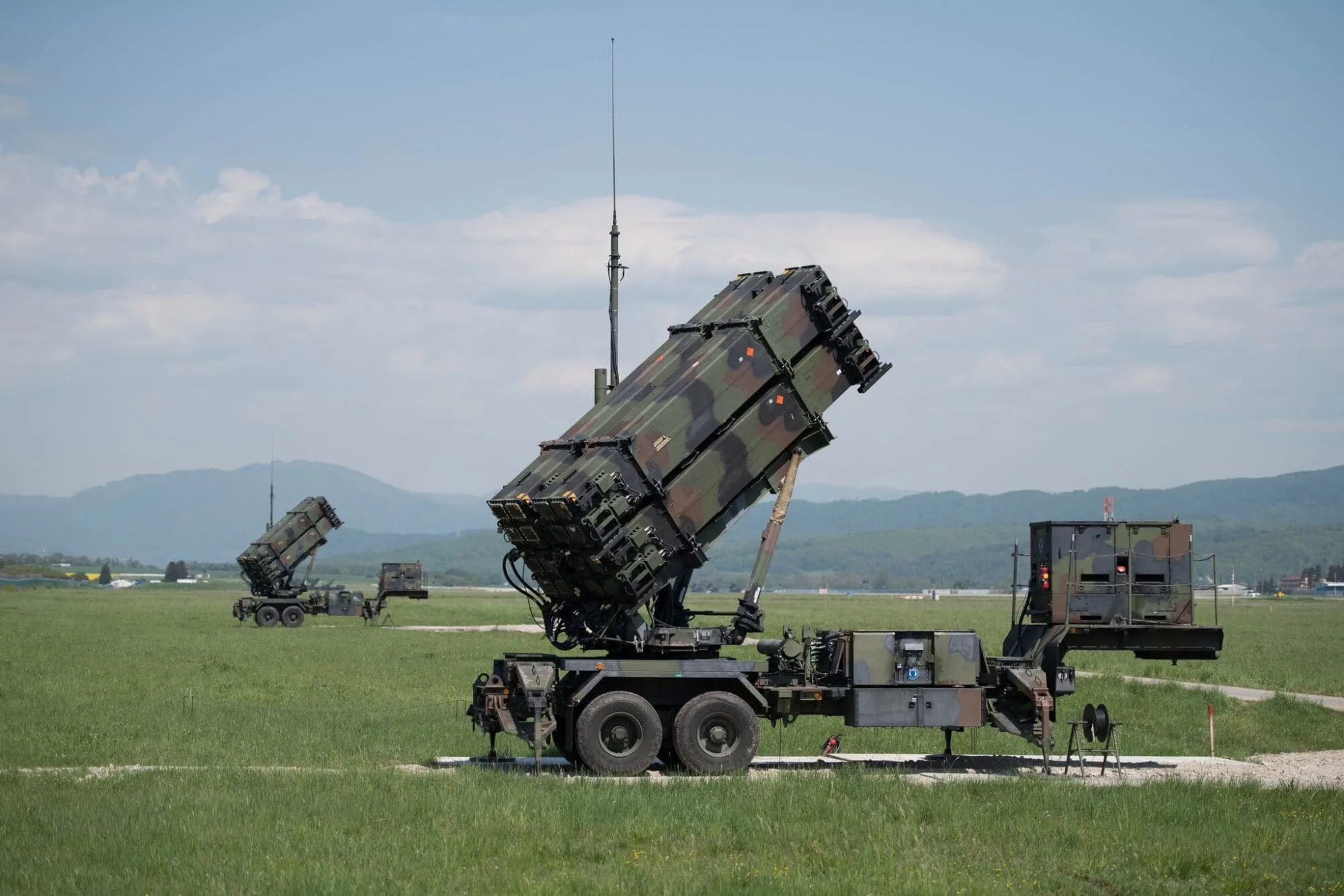
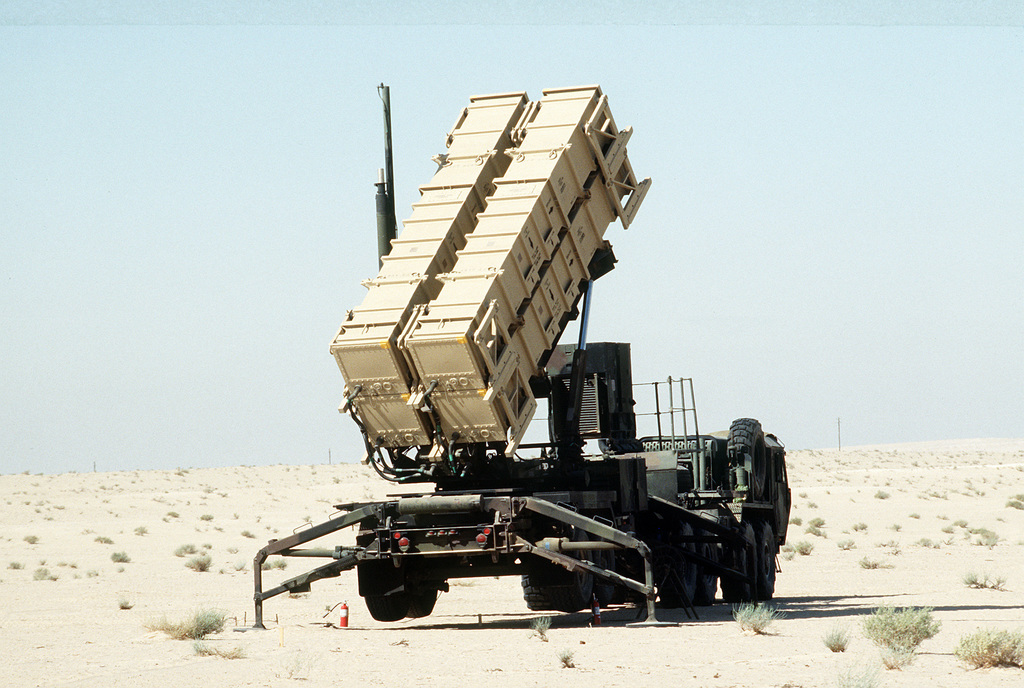
Money can authorize more missiles, but it cannot make propulsion systems, specialized components and trained production workers appear immediately. That is the central tension behind a new estimate that fewer than 830 Patriot interceptors and fewer than 280 Terminal High Altitude Area Defense, or THAAD, interceptors remain in the U.S. inventory. At current production rates, rebuilding both inventories to their earlier levels could take years.

The Council on Foreign Relations published its assessment, “Out of Ammo: A Two-Year Sprint to Rebuild the American Arsenal and Deter China,” on August 20. Its inventory figures are estimates rather than publicly confirmed Pentagon counts, but they illustrate the scale of the industrial problem: more than 1,500 Patriot interceptors have reportedly been fired, while roughly 40% of the 452 THAAD interceptors available at the start of the war with Iran have been used.
Current output does not close the gap quickly
Raytheon currently produces about 600 Patriot interceptors annually, according to the assessment. Lockheed Martin produces approximately 96 THAAD interceptors per year. At those rates, restoring Patriot inventory would take about three years, while the THAAD rebuild would take roughly two years.
Those timelines show why an annual production number is not the same as immediately available inventory. Missiles must move through component manufacturing, final assembly, testing and government acceptance before delivery. Production also has to support commitments beyond the U.S. inventory. A separate CSIS analysis of the replenishment schedule notes that demand from allies and partners competes for output while supply remains constrained.
The shortage is concentrated in advanced interceptors and stand-off weapons, not across all conventional munitions. Mortars, artillery shells, gravity bombs and other ordinary weapons have not been depleted in the same way. Patriot and THAAD present a harder manufacturing problem because they are sophisticated guided systems built through interdependent supplier networks rather than products that can be expanded through final assembly alone.
In such a network, the least scalable production step can determine the output of the entire missile. Expanding an assembly line has limited value if propulsion, ignition hardware, structural parts or another specialized component remains unavailable at the required rate. New tooling and facilities also need workers, qualification and stable orders before they can support sustained deliveries.
Expansion agreements are not delivered missiles
The Pentagon has announced framework agreements intended to triple Patriot production capacity and quadruple THAAD capacity. The effort includes direct work with component suppliers, including plans for a second source of Patriot solid-rocket motors and expanded manufacturing of THAAD propulsion and structural hardware.
That approach addresses a real weakness: relying on a prime contractor to raise final output does not by itself enlarge every lower-tier supplier. Long-term agreements can give suppliers enough demand certainty to invest in facilities, tooling and workforce development. However, the agreements are production objectives, not confirmation that factories have already reached those rates.
L3Harris, for example, has signed a framework agreement covering a multiyear expansion of THAAD propulsion production. The company says the anticipated contract would span seven years and is expected to be finalized later in 2026. That schedule underscores the distinction between committing to greater capacity and obtaining finished interceptors.
The same constraint appears in Tomahawk production. The U.S. inventory has reportedly declined by about one-third from approximately 3,000 missiles. Recent output has been no more than 200 annually, while projected lead time for newly ordered missiles is 34 months. Army Tactical Missile System and Precision Strike Missile inventories are also described as nearly exhausted.
Funding starts the expansion but cannot finish it
The Pentagon has asked contractors to propose faster delivery schedules or increased production for critical systems. Its proposed fiscal 2026 supplemental includes $67.1 billion for the department, with $40 billion requested to expand production lines and accelerate high-demand munitions. A final vote schedule for that supplemental had not been set.
Additional funding can support larger orders, new manufacturing equipment, added suppliers and workforce growth. It cannot erase existing lead times or instantly qualify a new source for safety-critical missile hardware. The practical measure of progress will therefore be delivered interceptors not announced spending, planned factory capacity or requested production rates.
The rebuild also has to do more than replace what has already been consumed. It must create enough sustained output to support deployed forces, allied demand and another potential contingency at the same time. Until expanded component lines move from framework agreements to qualified production, fewer than 830 Patriot and 280 THAAD interceptors represent not just an inventory warning, but a multiyear manufacturing test.
| More aerospace and engineering stories, right in your MSN feed. Follow AMI on MSN |
By David Whitaker — Associate editor for AMI’s aerospace and drone systems desk, translating flight systems, aircraft programs, spaceflight, and UAV developments into accessible technical stories.