Qatar’s $400 Million Boeing 747-8 Enters Air Force One Service, Costs Unclear
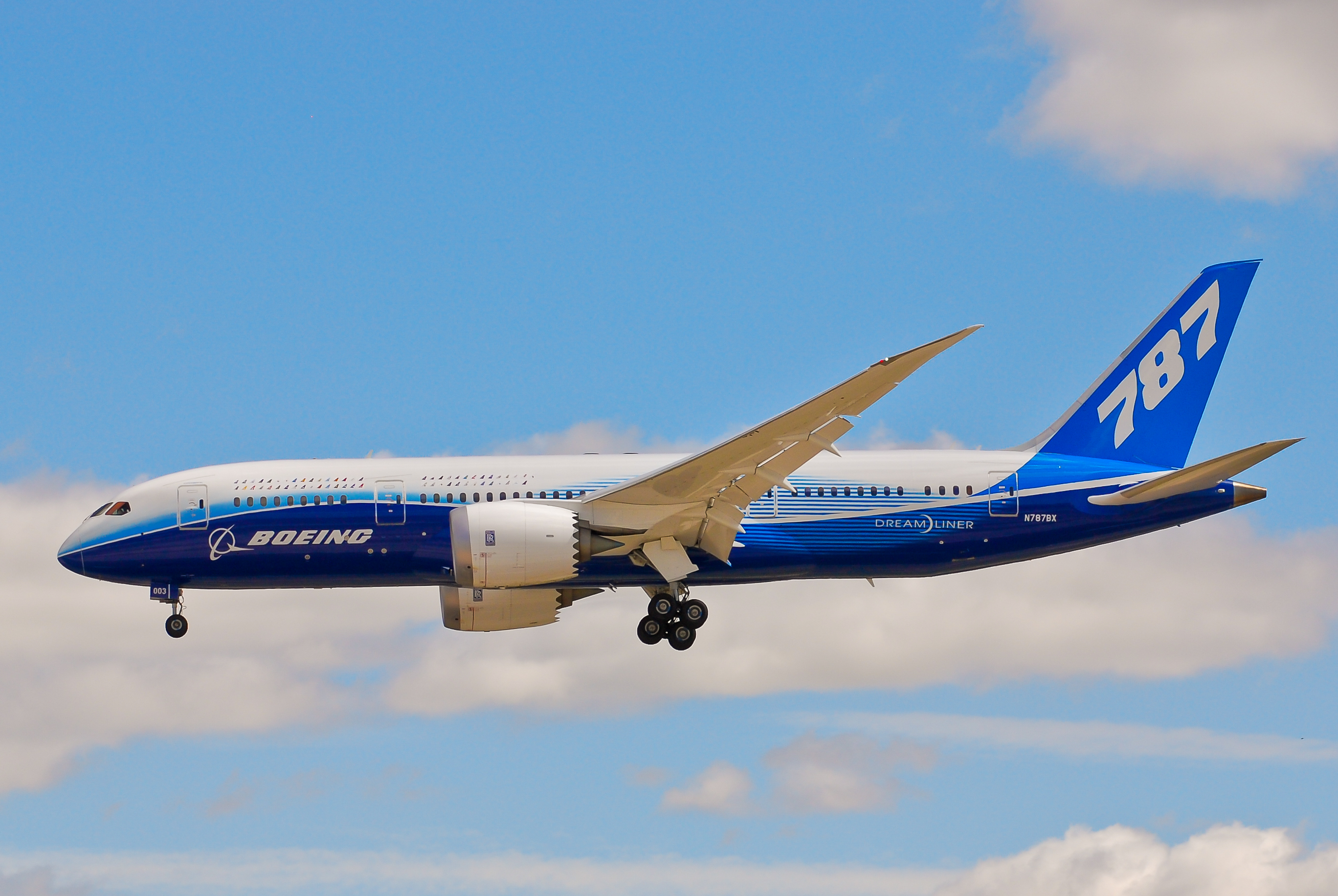
A Qatar-donated Boeing 747-8 valued at roughly $400 million has entered temporary presidential service after an accelerated U.S. Air Force conversion. The aircraft was first presented at Joint Base Andrews ahead of commissioning flights the final testing stage before carrying the president and subsequently began presidential operations in July 2026. It is intended to bridge the gap until Boeing delivers two delayed, purpose-built replacements.

The visible aircraft, however, represents only part of the public cost. The roughly $400 million figure describes the previously owned luxury jet transferred by Qatar’s royal family to the Defense Department in May 2025. It does not include the cost of converting that aircraft for the presidential mission. The Air Force previously estimated that the retrofit would cost less than $400 million, but the amount spent has not been publicly specified, according to an updated account of the aircraft’s cost and uncertain disposition.
A conversion is more than a cabin refurbishment
The Boeing 747-8 arrived as a head-of-state transport, not as a U.S. presidential aircraft. Preparing it for Air Force One service required the integration of security systems, mission communications, logistics support and what the Air Force described as advanced technology. The service also said potential threats associated with the jet’s prior ownership had been neutralized.
Those categories matter because presidential airlift is a complete operational system, not simply a large passenger airplane with secure radios. Aircraft hardware, communications, ground support, maintenance procedures, crew training and supply arrangements must function together. Commissioning flights provide a controlled opportunity to verify the modified aircraft before routine operations, but detailed test criteria and many security features are appropriately not public.
The Air Force said it prioritized safety, security and mission communications while accepting trades in some less commonly used mission sets. That establishes an important boundary around the bridge aircraft: it was not presented as an exact substitute for the two long-term replacement jets Boeing is building for decades of service. Its purpose is to add interim capacity while reducing pressure on the two Boeing 747-200B presidential aircraft that have served since 1990.
Later operational decisions have reinforced that distinction. During a July trip to Turkey, security considerations led to the use of other presidential transport arrangements for part of the return journey. Public reporting has indicated that the bridge aircraft does not duplicate every capability of the legacy fleet. That does not establish that the aircraft is generally unsafe; it shows why readiness for ordinary presidential travel and suitability for every threat environment are different judgments.
The conversion bill needs its own accounting
A donated airframe does not make the resulting transport cost-free. Sensitive equipment must be designed or adapted, installed, tested and maintained. A one-aircraft configuration can also carry a substantial support burden because documentation, spares, training and maintenance planning cannot be spread across a large fleet.
Without a disclosed conversion total, taxpayers cannot compare the bridge aircraft’s added capacity with its full acquisition and support burden. Some line-item detail will necessarily remain protected, but aggregate conversion spending, the responsible funding accounts and long-term maintenance obligations could be disclosed without publishing security-sensitive architecture.
The compressed schedule also makes scope especially important. The aircraft retains much of its previous interior, while its exterior was repainted red, white, blue and gold. Leaving nonessential cabin elements largely unchanged can preserve schedule and direct engineering resources toward mission systems. It also underlines that the expensive portion of this conversion is not necessarily what passengers can see.
Its destination remains unsettled
The administration initially said the aircraft would be transferred to Donald Trump’s presidential library after he leaves office. More recent statements say no final decision has been made, leaving unresolved whether the jet will remain in the federal fleet, go to a library foundation or receive another disposition.
That distinction affects more than display plans. Presidential libraries are generally separate from the federal government, so any transfer would require clear terms covering ownership, valuation, demilitarization or removal of sensitive systems, continuing maintenance, storage and ultimate disposition. None of those arrangements has been publicly detailed.
House Judiciary Democrats have argued that congressional consent is required under the Foreign Emoluments Clause. The White House maintains that the arrangement is legal because Qatar gave the aircraft to the U.S. government and Defense Department, not personally to Trump. These remain opposing legal positions rather than a settled finding.
The aircraft can fill a real fleet gap created by delays to Boeing’s two long-term presidential jets. But its full public value cannot be measured from the donated airframe alone. The decisive accounting will require the conversion total, the limits of its interim mission, and a documented decision on who owns and maintains it after presidential service ends.
| More aerospace and engineering stories, right in your MSN feed. Follow AMI on MSN |
By Thomas Caldwell — AMI’s senior editor for mechanical and mobility engineering, covering vehicle electronics, systems integration, electrification, chassis systems, propulsion, and safety policy.