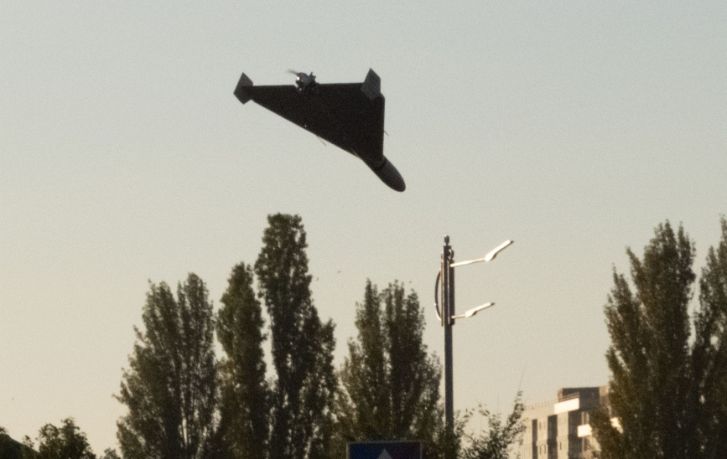
Russian Shahed Drone Attack Reportedly Cut Power to 300,000 in Mykolaiv
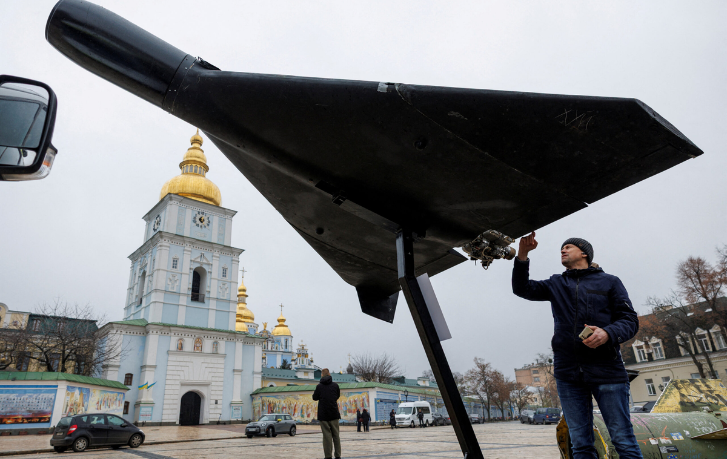
More than 300,000 electricity customers reportedly lost power in Ukraine’s Mykolaiv region after a large Russian attack using Shahed-type drones damaged energy facilities on August 29. Ukrainian regional officials said the disruption reached Mykolaiv city and communities in the Mykolaiv and Bashtanka districts, turning damage at unspecified facilities into a much wider interruption of an essential public service.

The initial estimate came from the Mykolaiv Regional State Administration and remained preliminary. Officials did not identify the damaged equipment or facilities, quantify the physical damage or provide an initial restoration deadline. They did say that several sections of the electricity network were shut down as a precaution, an important distinction because the outage total did not necessarily represent customers directly connected to damaged hardware.
Why isolation can expand an outage
An electrical grid must continuously keep generation, demand and power flows within operating limits. When equipment is damaged or its condition cannot immediately be verified, operators may disconnect affected sections to prevent uncertain conditions from placing additional equipment or personnel at risk. That protective isolation can interrupt service beyond the immediate damage location because homes, businesses and public facilities depend on interconnected substations, lines and switching points.
This does not establish the precise sequence inside the Mykolaiv network; officials released no such technical assessment. At a system level, however, it explains how localized facility damage and precautionary shutdowns can coexist with an outage affecting a city and surrounding communities. The number of disconnected customers reflects both the original physical impact and the grid operator’s need to establish a stable, controlled network before reconnecting load.
Restoration is therefore more than repairing visibly damaged equipment. Crews must assess conditions, determine which sections can be energized safely and reconnect customers without creating an abrupt demand surge. Operators may restore unaffected sections first, route power through available parts of the network where possible and leave damaged or uncertain sections isolated. The exact options depend on the grid’s condition and configuration, neither of which regional authorities detailed publicly.
Service returned in stages
Early restoration updates showed the outage shrinking unevenly. The Mykolaiv Regional Military Administration reported that electricity had returned to more than 200 settlements by 11 a.m., while approximately 230 settlements remained without service. That staged recovery is consistent with crews energizing sections as they become available rather than reconnecting the entire affected area simultaneously.
Local officials also asked customers whose electricity had returned to limit consumption and avoid switching on high-powered appliances at the same time. Electric public transportation was brought back gradually to avoid adding excessive load. Hospitals and other critical facilities had generators available to continue operating without centralized supply, according to the regional update.
A later restoration notice attributed to regional utility Mykolaivoblenergo said all customers disconnected because of the attack had been reconnected by noon. The utility still urged residents to use electricity sparingly, indicating that restoring customer connections and returning the wider system to normal operating conditions are not necessarily the same milestone.
The incident also illustrates why one-way attack drones create an infrastructure problem extending beyond the air vehicle itself. For an electricity operator, the immediate engineering task begins only after the reported impact: isolate uncertain sections, preserve stable service where possible, inspect equipment and add customer demand back in controlled increments. No public damage assessment yet establishes what repairs were required in Mykolaiv, but the reported progression from more than 300,000 customers disconnected to staged reconnection and full customer restoration by noon shows how grid isolation can enlarge the initial disruption while also enabling a relatively rapid recovery.
| More aerospace and engineering stories, right in your MSN feed. Follow AMI on MSN |
By Stephen Wallace — Editor for AMI’s aerospace integration and unmanned mobility coverage, focused on drone manufacturing, VTOL systems, autonomous networks, and air-ground mobility links.