2027 Silverado’s 481-Horsepower V8 Label Shows 15 MPG, $3,950 Annual Fuel Cost
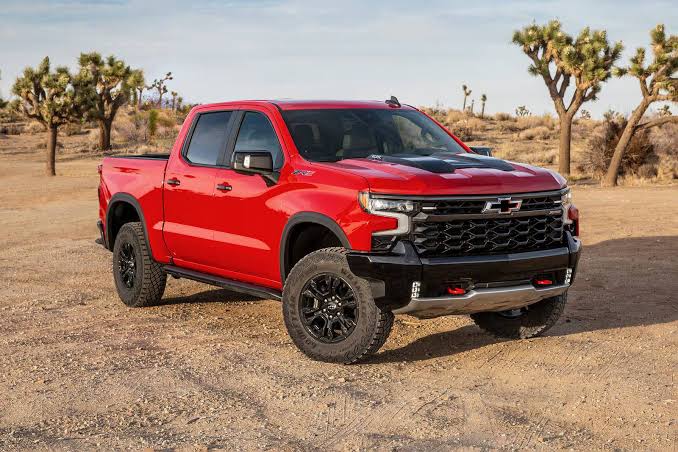
The 2027 Chevrolet Silverado 1500’s new 481-horsepower, 6.6-liter V8 is rated at 14 mpg city, 18 mpg highway and 15 mpg combined on the first observed federal window stickers. Its estimated annual fuel cost is $3,950 about $1,100 more than the estimate for an observed four-wheel-drive Silverado with GM’s new 5.7-liter V8.
The figures come from EPA-certified Monroney labels on 2027 Chevrolet Silverado and GMC Sierra 1500 trucks listed in transit to dealers between October 31 and November 3, 2026. The EPA provides the fuel-economy data used on new-vehicle window stickers, giving buyers a standardized basis for comparing configurations even though individual driving results will vary.
More power without a broad efficiency gain
The comparison with the outgoing engines shows where GM placed its engineering emphasis. The new 5.7-liter V8 produces 402 horsepower and 428 pound-feet of torque, increases of 47 horsepower and 45 pound-feet over the outgoing 5.3-liter. The 6.6-liter raises output to 481 horsepower and 501 pound-feet, gaining 61 horsepower and 41 pound-feet over the previous 6.2-liter.
Those output gains are not accompanied by a clear improvement in the first fuel-economy labels. Two observed four-wheel-drive, 5.7-liter trucks were rated at 15 mpg city, 18 highway and 16 combined. Two rear-wheel-drive versions received ratings of 15 city, 19 highway and 17 combined.
That leaves the rear-wheel-drive 5.7-liter level with the outgoing 5.3-liter’s 17-mpg combined rating. In the compared four-wheel-drive configurations, the new engine trails the 5.3-liter by one combined mpg. All four observed 5.7-liter trucks were crew-cab, short-box models with 10-speed automatic transmissions, 3.23 rear axles and 20-inch wheels.
The 6.6-liter comparison is less favorable on consumption but stronger on power. Two observed Silverado High Country four-wheel-drive trucks carried identical ratings of 14 mpg city, 18 highway and 15 combined. That is two combined mpg below the base four-wheel-drive listing for the outgoing 6.2-liter, although it matches the 15-mpg combined rating of the 2026 Silverado ZR2 with that engine.
These are configuration comparisons rather than isolated engine tests. Tires, wheel sizes, trim equipment and other road-load differences can affect a truck’s label. No rear-wheel-drive 6.6-liter label had been observed, so the available figures do not establish how that drivetrain combination will rate.
Premium fuel widens the cost difference
The annual-cost gap is driven by both consumption and the labels’ assumed fuel prices. The four-wheel-drive 5.7-liter label lists 6.2 gallons per 100 miles and a $2,900 annual estimate using regular gasoline priced at $3.10 per gallon. The rear-wheel-drive version lists 5.9 gallons per 100 miles and $2,750 annually.
The 6.6-liter label shows 6.7 gallons per 100 miles, 580 grams of carbon dioxide per mile and a $3,950 annual estimate based on premium gasoline priced at $3.95 per gallon. At 15,000 miles, that consumption corresponds to roughly 1,005 gallons, compared with about 930 gallons for the four-wheel-drive 5.7-liter.
GM recommends 91-octane fuel for the 6.6-liter, while the owner’s manual permits 87 octane with reduced performance. The 5.7-liter is designed around regular 87-octane fuel. Consequently, the $1,100 estimated annual difference between the two four-wheel-drive engines reflects a higher fuel grade as well as approximately 75 additional gallons under the label assumptions.
Tank capacity changes the operating picture without changing efficiency. The 6.6-liter receives a standard 34-gallon tank. The 5.7-liter has a standard 24-gallon tank with a 34-gallon option, so buyers comparing range must account for both consumption and the selected tank.
As of November 2, the federal fuel-economy database had not posted any 2027 Silverado or Sierra models. The observed labels nevertheless establish the initial trade: GM’s new V8s buy substantial horsepower and torque, while the first certified configurations match or reduce combined fuel economy and the 6.6-liter’s premium-fuel assumption turns that performance gain into a notably larger annual bill.
| More aerospace and engineering stories, right in your MSN feed. Follow AMI on MSN |
By Thomas Caldwell — AMI’s senior editor for mechanical and mobility engineering, covering vehicle electronics, systems integration, electrification, chassis systems, propulsion, and safety policy.