Ford and GM Gain Billions on Gasoline as Electric-Vehicle Risk Grows
Ford and General Motors now have stronger financial reasons to build gasoline-powered trucks, SUVs and V-8 cars, even as their long-term competitiveness increasingly depends on electric and hybrid technology. The policy reversal gives each automaker what JPMorgan analyst Ryan Brinkman described as a billion-dollar tailwind, but it also reduces the regulatory pressure that helped justify costly electric-vehicle programs.

The immediate benefit is concrete. GM spent $3.5 billion on regulatory credits from 2022 through mid-2025. Federal legislation enacted on July 4, 2025, then reset civil penalties for light-vehicle fuel-economy noncompliance to zero. Congress also blocked California’s planned 2035 ban on new combustion-vehicle sales, while the administration has proposed a 2031 fleet average of 34.5 miles per gallon, down from about 50 under the previous federal policy.
Those actions do not erase the fuel-economy statute or its reporting requirements. They remove much of the direct economic consequence for missing its targets. That changes the internal calculation governing which engines receive engineering resources, which factories are converted and how many lower-margin electric vehicles a company needs in its sales mix.
Large vehicles regain their financial advantage
Full-size pickups and SUVs are already central to Detroit’s earnings because buyers accept high prices for towing capacity, interior space and premium equipment. Removing compliance penalties strengthens that advantage: an additional gasoline truck can generate revenue without creating the same regulatory-credit obligation it once did.
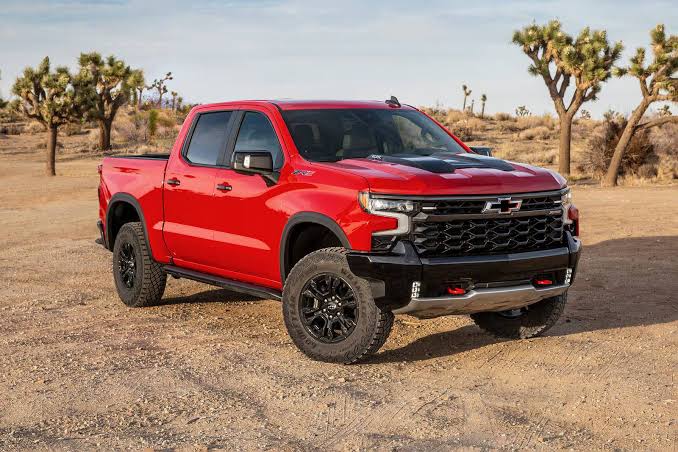
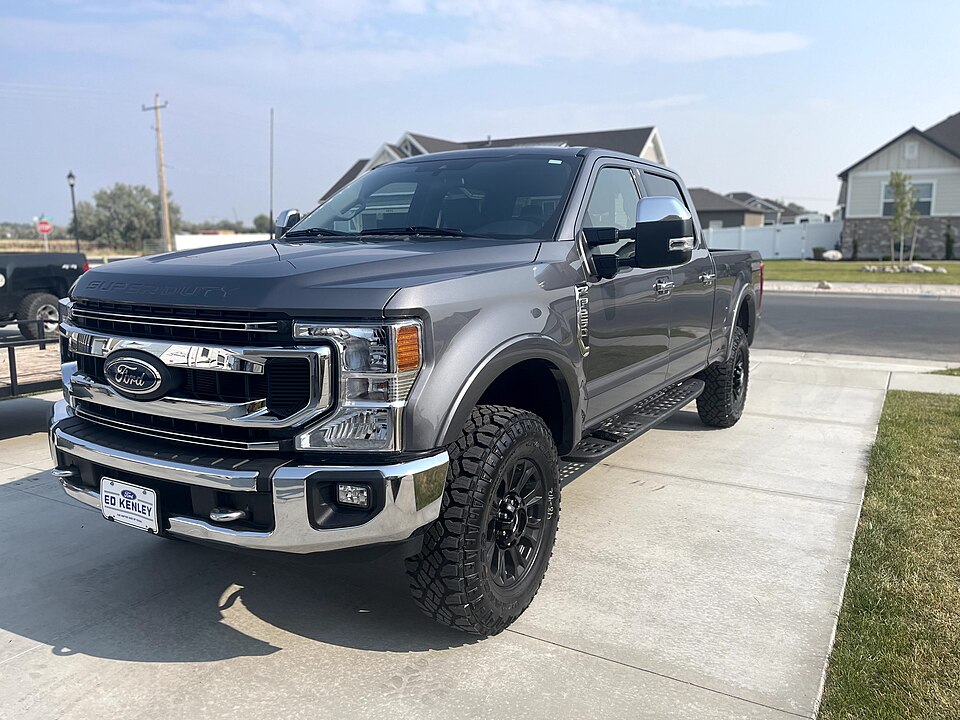
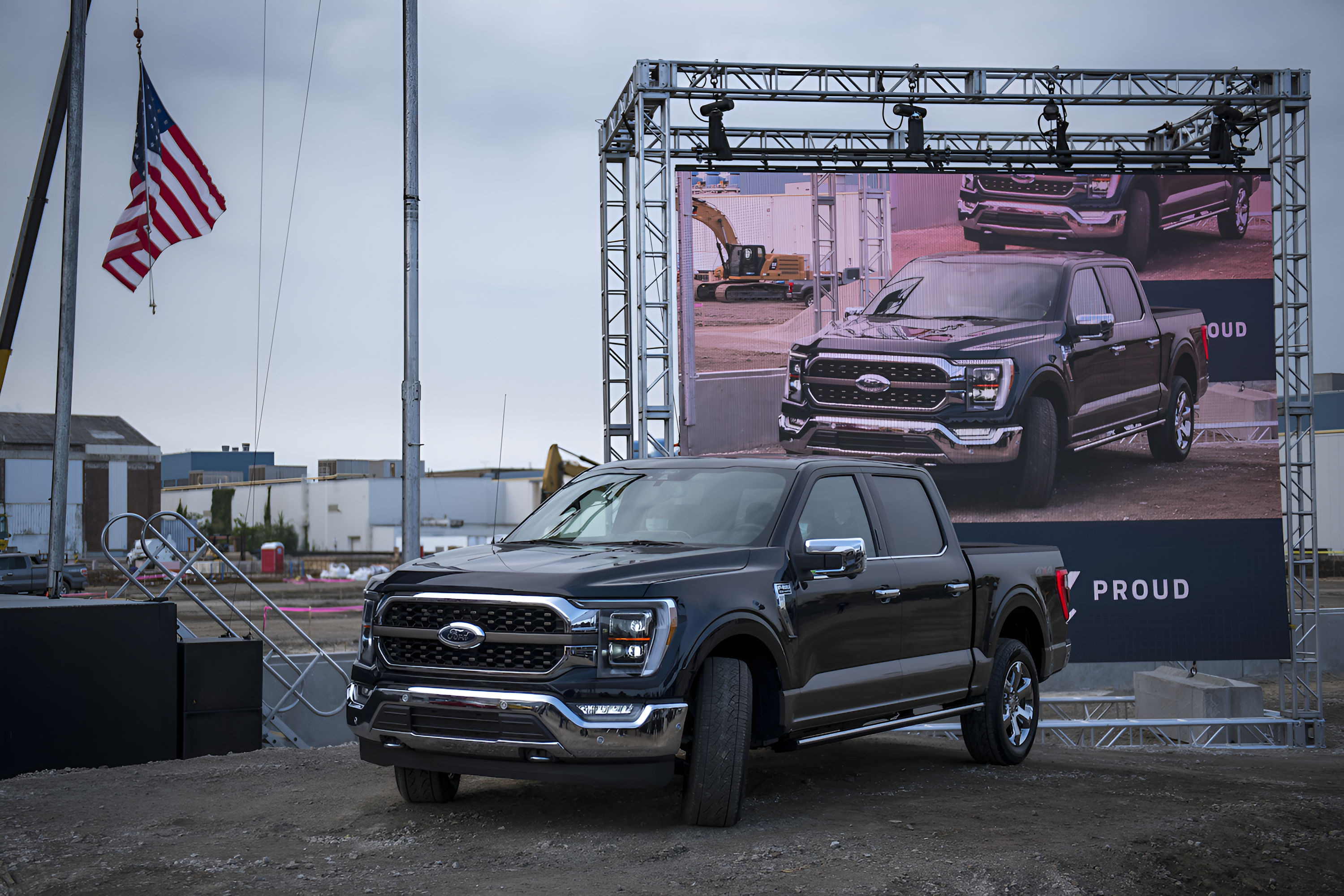
The factory decisions are following that logic. Ford plans to convert an electric-vehicle plant under construction in Tennessee to gasoline pickup production. GM redirected a Michigan factory previously assigned to electric vehicles toward the Chevrolet Silverado. It also canceled a $300 million electric-drive-unit investment near Buffalo while choosing to spend almost $900 million on sixth-generation V-8 production.
These moves arrive after expensive corrections to earlier electrification plans. Ford recorded $19.5 billion in charges related to its electric-car business in December, and GM has written off $7.6 billion in electric-vehicle investments. Ford says operating profit could reach $10 billion this year, up as much as 47%, illustrating the near-term appeal of emphasizing established products and manufacturing systems.
For workers at plants receiving gasoline programs, the shift can preserve production volume and extend the useful life of engine, transmission and fuel-system operations. It can also redirect capital away from battery assembly, power electronics, thermal management and electric-drive manufacturing the capabilities needed to compete where electric adoption continues.
Policy relief does not remove the global engineering contest
US rules determine the cost of selling vehicles domestically, but they do not determine what customers or regulators will demand elsewhere. Chinese manufacturers continue developing lower-cost electric vehicles and the associated batteries, software and production methods. Canada, for example, will permit 49,000 Chinese vehicles into its market annually after dropping its 100% tariffs on Chinese cars.
That creates a systems-integration problem for Detroit. Electric vehicles are not merely gasoline models with a different propulsion unit. Competitive programs require coordinated work across battery chemistry, cell packaging, vehicle structure, charging, software, power electronics, climate control and supply chains. Slowing product investment can therefore produce a broader capability gap that is difficult to close quickly if demand accelerates or policy changes again.
Automotive production cycles also outlast many regulatory cycles. A factory conversion or new engine family can operate for years, while Congress could restore fuel-economy penalties in the future. A strategy optimized only for today’s rules could leave manufacturers facing another expensive round of plant changes and program cancellations.
Hybrids and extended-range electric vehicles offer a potential bridge. Ford is expanding its hybrid range, while Ford and Stellantis plan electric vehicles whose combustion engines can recharge their batteries. GM also plans several hybrids. These designs can reduce fuel consumption while retaining familiar refueling and longer-range capability, although their dual propulsion systems add components, controls and integration work.
Affordability remains the practical test. The average price of new US vehicle offerings has exceeded $50,000, nearly 30% above 2019. Ford says it plans affordable electric vehicles for 2027, including a $30,000 pickup, while GM remains the second-largest US electric-vehicle seller behind Tesla. Delivering those programs at their intended prices would show that gasoline profits are financing competitive alternatives rather than replacing them.
Detroit can rationally build more profitable V-8 engines and trucks under the new rules. Its harder task is preserving the engineering teams, supply chains and factory knowledge needed for markets where combustion power is no longer the default. The billion-dollar tailwind buys time and flexibility; how Ford and GM allocate it will determine whether it also buys technological ground.
| More aerospace and engineering stories, right in your MSN feed. Follow AMI on MSN |
By Thomas Caldwell — AMI’s senior editor for mechanical and mobility engineering, covering vehicle electronics, systems integration, electrification, chassis systems, propulsion, and safety policy.