Canada Gives Stellantis 30 Days Over Brampton EV Funding Dispute
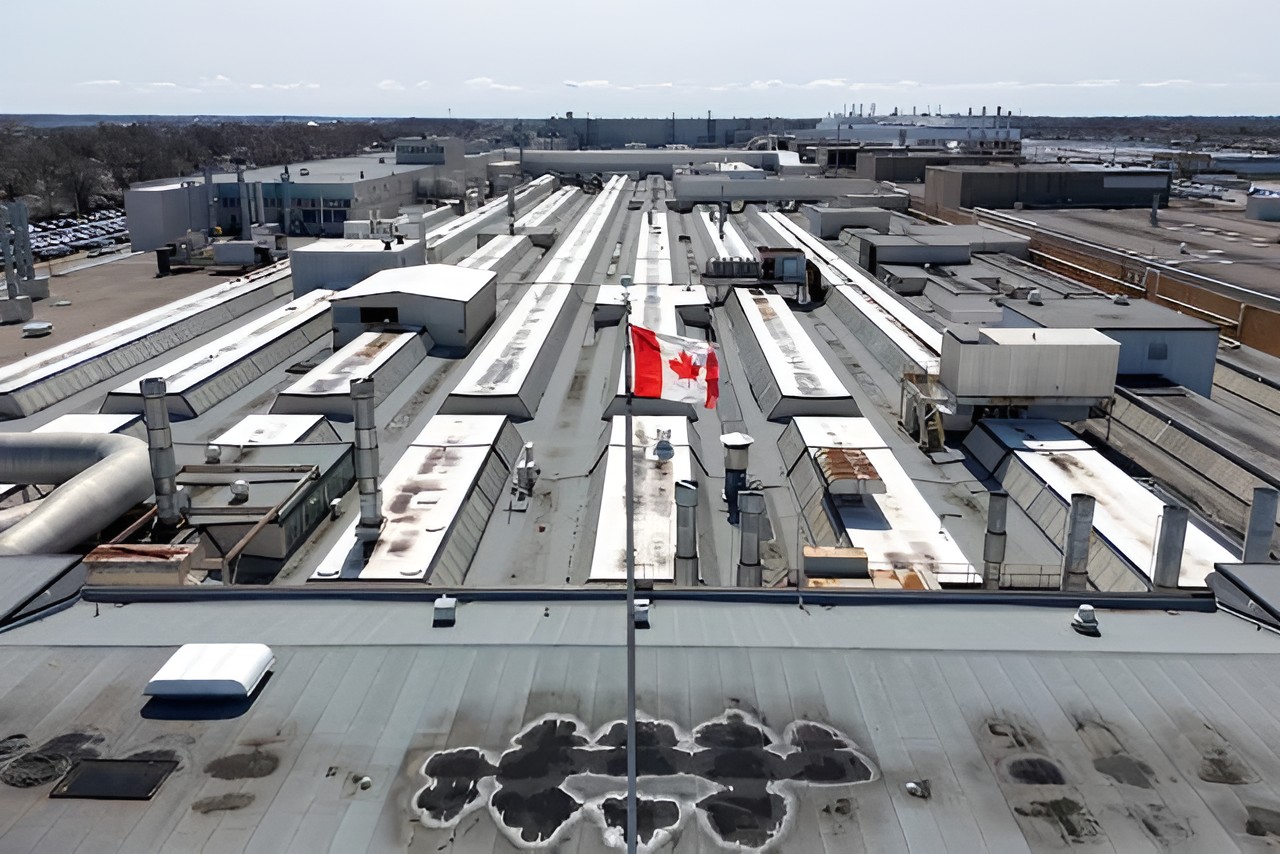
Public funding was intended to help convert Stellantis plants in Ontario for electrified-vehicle production. The identified vehicle for Brampton, the Jeep Compass, is now headed to Illinois, the factory has been sold, and more than 2,000 workers remain affected. Canada has responded with a formal default notice giving Stellantis 30 days to address alleged breaches of its funding agreement or face possible litigation.
The dispute puts two competing definitions of fulfillment into direct conflict. Canada maintains that Stellantis abandoned the Brampton production commitment without identifying a replacement vehicle. Stellantis says selling the site to Canadian manufacturer Roshel offers a route back to productive industrial use, new employment and priority hiring consideration for former Brampton workers. The automaker has offered to return C$24 million in federal support tied to the original Brampton retooling plan, while Industry Minister Mélanie Joly says the potential obligation reaches hundreds of millions.
The financial boundaries require care. Ottawa committed up to C$529 million in 2022 to support work at both the Brampton and Windsor plants; that entire ceiling was not designated solely for Brampton and is not automatically the amount recoverable. Details of the agreement are not public, and the final amount at issue has not been established. According to the government’s formal position described in its notice, possible remedies could include terminating the agreement and seeking repayment of all or part of the funding received, potentially with interest.
A plant conversion needs a vehicle program
From a manufacturing-systems perspective, Brampton illustrates why factory funding and product allocation cannot be treated as separate commitments. Retooling establishes physical capability: assembly equipment, material flows, quality systems and workforce preparation. A named vehicle program supplies the production volume that makes those investments operationally useful.
When the Compass allocation moved to Belvidere, Illinois, Brampton lost the program around which its conversion had been organized. The plant had stopped operating in 2023 and was being prepared for the Compass before Stellantis paused the work. Without another allocated vehicle, a technically reworked factory could not provide the production activity, employment or regional supply-chain demand expected from the public investment.
The sale to Roshel may preserve industrial use at the property, but it does not duplicate the original automotive outcome. Stellantis and Roshel have said the arrangement could bring manufacturing back and create jobs, while Roshel has indicated that some former Stellantis employees could be rehired. Stellantis is also expected to lease back part of the site for automotive work. Those elements may reduce the loss of productive space, but no supported employment figure shows that the sale will replace the scale, work content or timing of the abandoned Compass program.
The 30-day deadline tests the funding agreement
The deadline is therefore less a verdict than a contractual decision point. Stellantis can propose corrective action, and federal and Ontario officials plan to meet with the automaker’s global chief executive. If Ottawa remains unsatisfied, it can move toward terminating the agreement and pursuing recovery through the courts. The government has acknowledged that it cannot simply block the completed plant sale.
This structure highlights a recurring tradeoff in manufacturing incentives. Governments want enough flexibility for companies to adjust products when demand, regulation or cross-border costs change. Taxpayers and workers, however, need measurable outcomes such as investment, production and employment to survive those corporate changes. If an agreement focuses heavily on retooling expenditures but offers weaker protection when the associated vehicle moves, public money may support physical preparation without securing the intended operating result.
The consequences also fall unevenly. Stellantis can redirect a vehicle within its North American manufacturing network, but workers cannot transfer as readily across an international border. More than 2,000 Brampton employees have faced prolonged uncertainty, and a new C$1-million employment pilot initially aims to help about 200 people from Stellantis and other affected manufacturing businesses move into jobs around the Pearson employment area. That program may preserve useful industrial and logistics skills, but its first phase covers only a fraction of those affected.
Unifor President Lana Payne said talks involving the company, the union and both governments produced no resolution. Reversing the sale is now substantially harder than preserving the plant before the transaction, leaving the 30-day process focused on whether Stellantis can present an acceptable remedy or whether Canada will test how much protection its C$529-million, two-plant funding agreement actually provides.
| More aerospace and engineering stories, right in your MSN feed. Follow AMI on MSN |
By Thomas Caldwell — AMI’s senior editor for mechanical and mobility engineering, covering vehicle electronics, systems integration, electrification, chassis systems, propulsion, and safety policy.