Buc-ee’s Gas Is Not Top Tier-Listed, but That Does Not Mean Unsafe
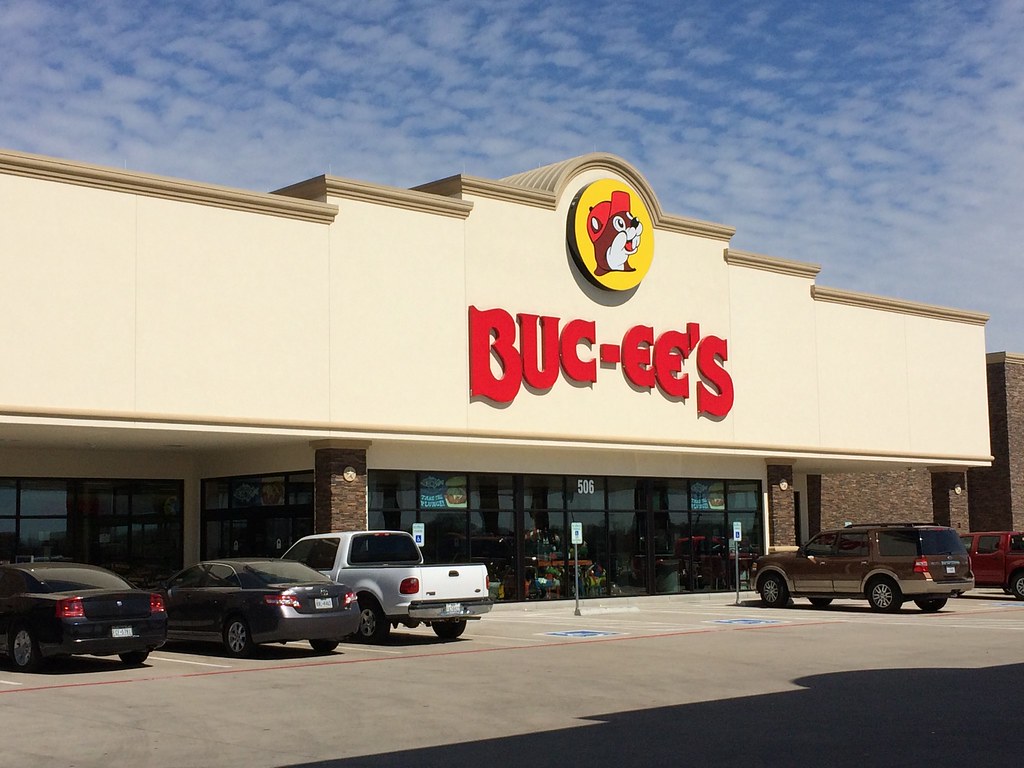
Buc-ee’s sells gasoline under its own name, but the brand is not listed as a licensed Top Tier gasoline or diesel provider. For motorists, that means Top Tier certification cannot serve as independent confirmation of the fuel’s detergent performance. It does not mean Buc-ee’s gasoline has been shown to be unsafe, legally noncompliant or poor quality.

The chain’s branded fuel is supplied and distributed by R.B. Stewart Petroleum of Angleton, Texas. Buc-ee’s pumps offer regular, mid-grade and premium gasoline, along with diesel. The key unanswered question is not whether these products exist as distinct grades, but whether their additive packages have passed the voluntary performance requirements associated with the Top Tier program.
What the missing listing establishes
Top Tier is an automaker-sponsored fuel-performance standard administered separately from federal fuel regulation. Licensed brands can use its marks to show that their fuels meet the program’s requirements. The program’s own terms explain that its brand lists and station finder are compiled from information supplied by licensees and may change; approved diesel listings are handled site by site rather than solely by brand.
Without a Buc-ee’s listing, drivers cannot treat Top Tier approval as proof that the chain’s fuel has met those additional requirements. Going one step further and declaring that the gasoline fails the standard would require applicable test results or other documentation. None is provided here.
The distinction between voluntary certification and legal compliance is central to the issue. The Environmental Protection Agency regulates motor fuels and additives under the Clean Air Act, and federal rules require detergent additives in U.S. gasoline. The EPA’s federal gasoline regulations cover fuel certification, sampling, testing, distribution and enforcement. Top Tier adds a separate performance benchmark supported by participating automakers; it is not the basic legal permission for gasoline to be sold.
Why detergents matter to engines
Detergent additives are intended to control deposits in the engine and fuel-delivery system. Deposits on intake valves or fuel injectors can affect emissions, fuel economy and engine performance, which is why the federal government mandates a minimum detergent level and why some automakers support more demanding voluntary specifications.
A 2019 AAA laboratory study found a large difference between the fuel groups it tested. After engines simulated 4,000 miles of operation, non-Top Tier fuels produced an average of 660 milligrams of deposits per intake valve, compared with 34 milligrams for Top Tier fuels. That amounted to 19 times fewer deposits, or a reduction of almost 95%, in AAA’s test.
Those results demonstrate the potential value of the standard, but they are not a Buc-ee’s-specific fuel test. They compare tested groups of Top Tier and non-Top Tier gasoline and cannot establish the exact formulation or deposit performance of every unlisted retail brand.
AAA also found that the average price difference between the two fuel groups was three cents per gallon over the 12-month period it examined. Buc-ee’s fuel is described as usually less expensive than nearby competitors, although no comparative pricing data is available to measure that claim or determine whether detergent formulation contributes to the difference.
Premium and Top Tier describe different properties
A premium label does not resolve the certification question. Regular, mid-grade and premium identify octane levels, while Top Tier concerns detergent and performance requirements. A premium gasoline therefore is not automatically Top Tier-approved, and Top Tier requirements can apply across regular, mid-grade and premium grades.
The standard is also evolving. Top Tier+ requirements are scheduled to take effect for most approved gasoline brands by January 2027, with additional attention to injector and valve deposits in direct-injection engines. Top Tier+ diesel is described as adding wear protection for fuel-system components. These changes increase the amount of performance information a license can convey, particularly as fuel systems operate with more demanding injection architectures.
For now, the defensible conclusion remains narrow: R.B. Stewart Petroleum supplies Buc-ee’s-branded fuel, and Buc-ee’s absence from the Top Tier list leaves its enhanced detergent performance unverified through that program. Only fuel-specific testing or certification could turn that absence into a supported finding about how the gasoline actually performs.
| More aerospace and engineering stories, right in your MSN feed. Follow AMI on MSN |
By Thomas Caldwell — AMI’s senior editor for mechanical and mobility engineering, covering vehicle electronics, systems integration, electrification, chassis systems, propulsion, and safety policy.