Two Drones Hit Sparta II in Baltic, Forcing 16 Crew Off
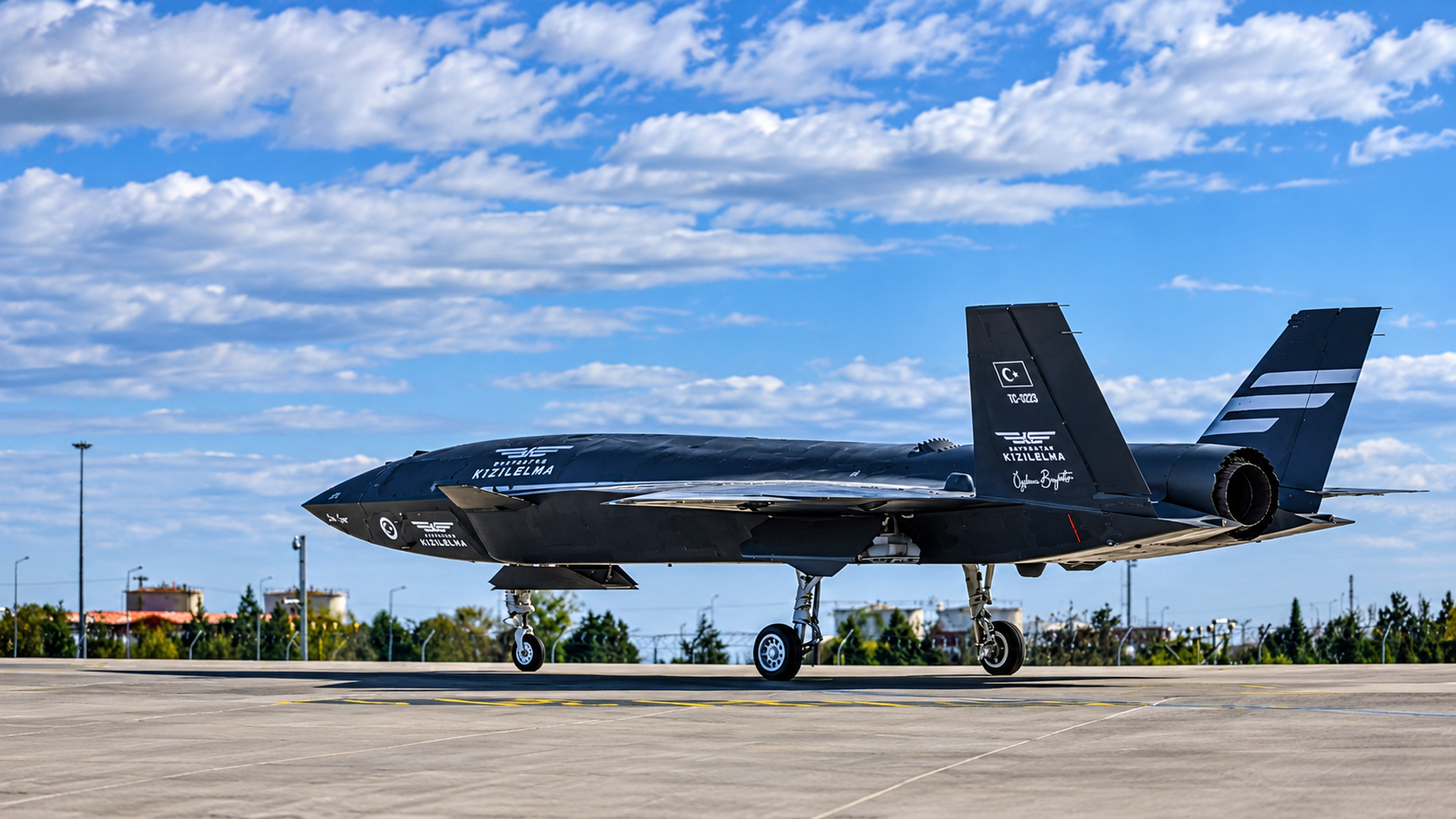
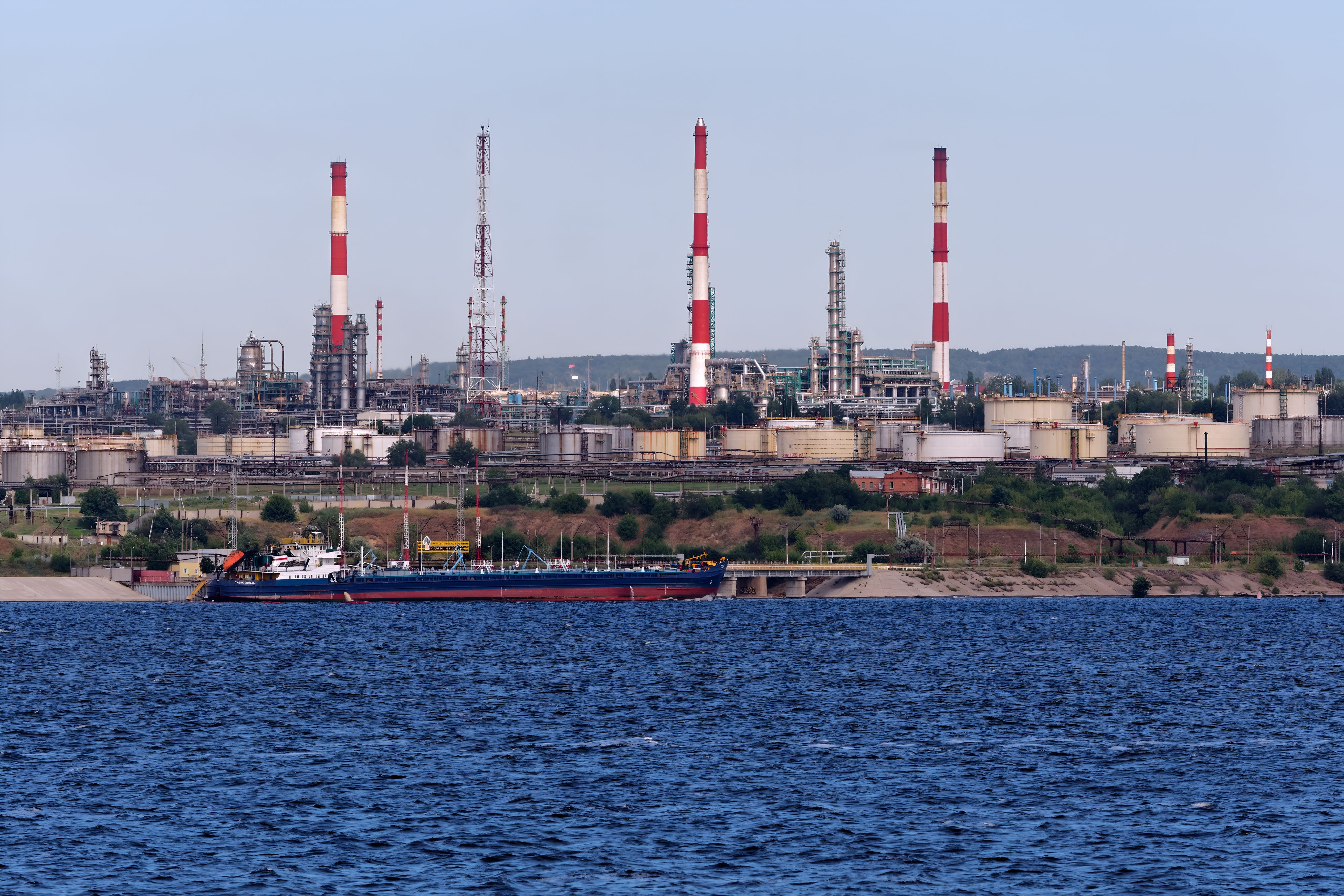
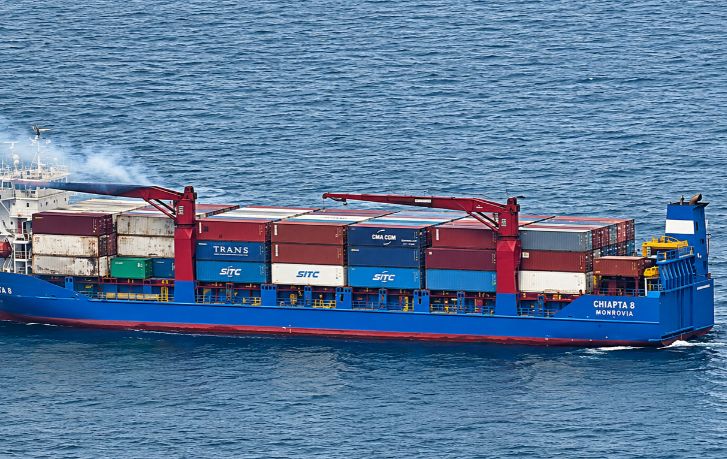
Two drones struck the Russian cargo ship Sparta II in international waters west of Russia’s Gogland island on November 21, 2026, setting off a fire and forcing all 16 crew members to evacuate. The ship then drifted into Finnish waters, turning the attack into a Finnish-led maritime emergency involving rescue vessels, airspace restrictions and pollution monitoring. By November 22, a Russian rescue ship had begun towing the Sparta II out of Finnish waters.
Leningrad regional Governor Aleksandr Drozdenko said two drones attacked the ship near Russia’s border. Finland’s armed forces assessed that Ukraine was likely responsible, although a spokesperson said the reason for targeting the vessel remained unclear. Ukraine’s Foreign Ministry had not commented, leaving responsibility officially unresolved.
The crew initially entered lifeboats before transferring to another Russian vessel for the return to Russia. One crew member suffered minor injuries. Once the uncrewed Sparta II anchored in Finnish waters, Finland assumed the lead role in coordinating the safety response.
A shipboard fire became a cross-border operation
The response eventually involved seven vessels: three Finnish, two Estonian and two Russian. Estonia sent a naval vessel to assist with firefighting and pollution response, while vessels used water cannons to suppress the fire and cool containers on deck. That cooperation was driven by the immediate maritime hazard rather than the political alignment of the participating countries.
Finland temporarily restricted aviation and maritime activity in the eastern Gulf of Finland to protect civilians and give responding authorities room to operate. Swedish combat aircraft working under Finnish command also helped safeguard Finnish and NATO territorial integrity. During the operation, a Russian helicopter was suspected of briefly violating Finnish airspace, potentially in connection with rescue or monitoring activity.
The sequence illustrates how damage from an unmanned aircraft can rapidly expand beyond the vessel that was struck. A burning cargo ship without its crew still has to be tracked, stabilized and kept clear of other traffic. If it crosses a maritime boundary, responsibility for navigation safety, firefighting and environmental surveillance can shift to authorities that played no role in the original encounter.
Weather added another operational constraint. Finnish authorities expected rain, sleet and stronger winds, creating pressure to stabilize the vessel and begin towing while conditions permitted. By Sunday, no flames were visible externally, although thermal cameras still showed warm containers. Officials described the ship as slightly listing but stable enough to tow, with no detected fuel or hazardous-substance leak.
The cargo remains an important unknown
The 121-metre, Russian-flagged Sparta II was traveling from St Petersburg to Kaliningrad. It is owned by Oboronlogistika, a company that says it provides logistics services to Russia’s Defence Ministry. The vessel is also listed in a U.S. Treasury sanctions update linking it to Oboronlogistika.
Those connections made the cargo a central question, but Finnish authorities had no confirmed manifest information available publicly. Finnish Border Guard Commander Ilja Iljin said military materiel could not be ruled out. That possibility remains unverified, and the reason the ship was selected has not been established.
The uncertainty also affected pollution planning. Responders confronting heated containers need to monitor the vessel’s stability and signs of leakage even when the contents are unknown. The Baltic is both heavily trafficked and environmentally sensitive, so a shipboard emergency can demand firefighting, navigation control and spill preparedness at the same time.
As the tow began, Finnish vessels supported the Russian rescue ship while an Estonian patrol vessel also remained involved. Responsibility for the operation was due to transfer to Russia after the Sparta II left Finnish waters. The crew was off the ship, no hazardous leak had been detected and the vessel was stable enough to move but its cargo and the final attribution for the drone strike were still unresolved.
| More aerospace and engineering stories, right in your MSN feed. Follow AMI on MSN |
By Stephen Wallace — Editor for AMI’s aerospace integration and unmanned mobility coverage, focused on drone manufacturing, VTOL systems, autonomous networks, and air-ground mobility links.